
Mold Remediation · Warren

Mold Remediation in Warren, MI by Our Crew

When water sits too long, mold moves in behind your walls. We find it, seal off the area, and clear it so the air in your Warren home feels clean again.

Free Quote

Free Mold Remediation quote.

We reply within 1 business hour. No spam, ever.

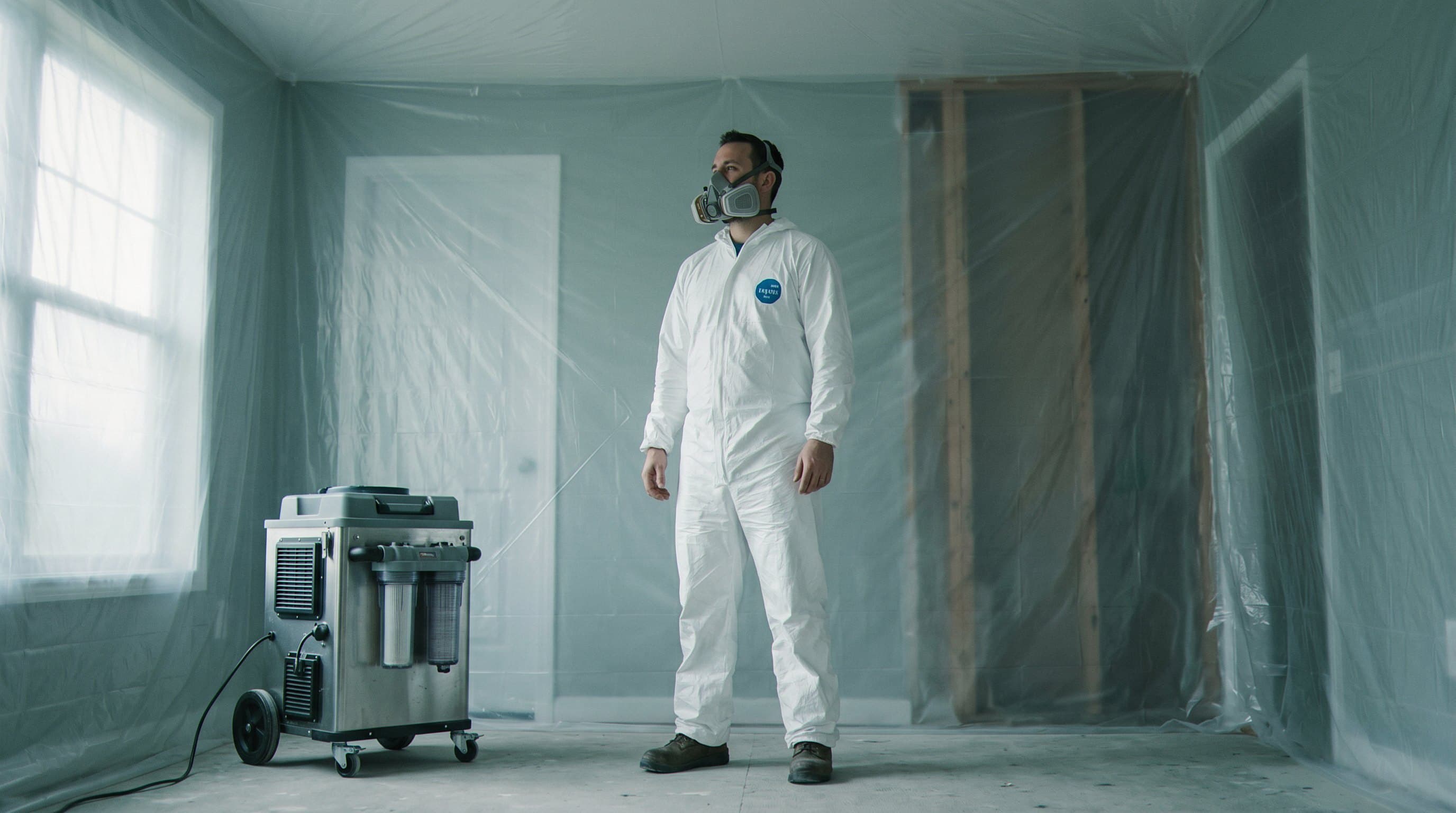
Technician in suit scrubbing mold remediation
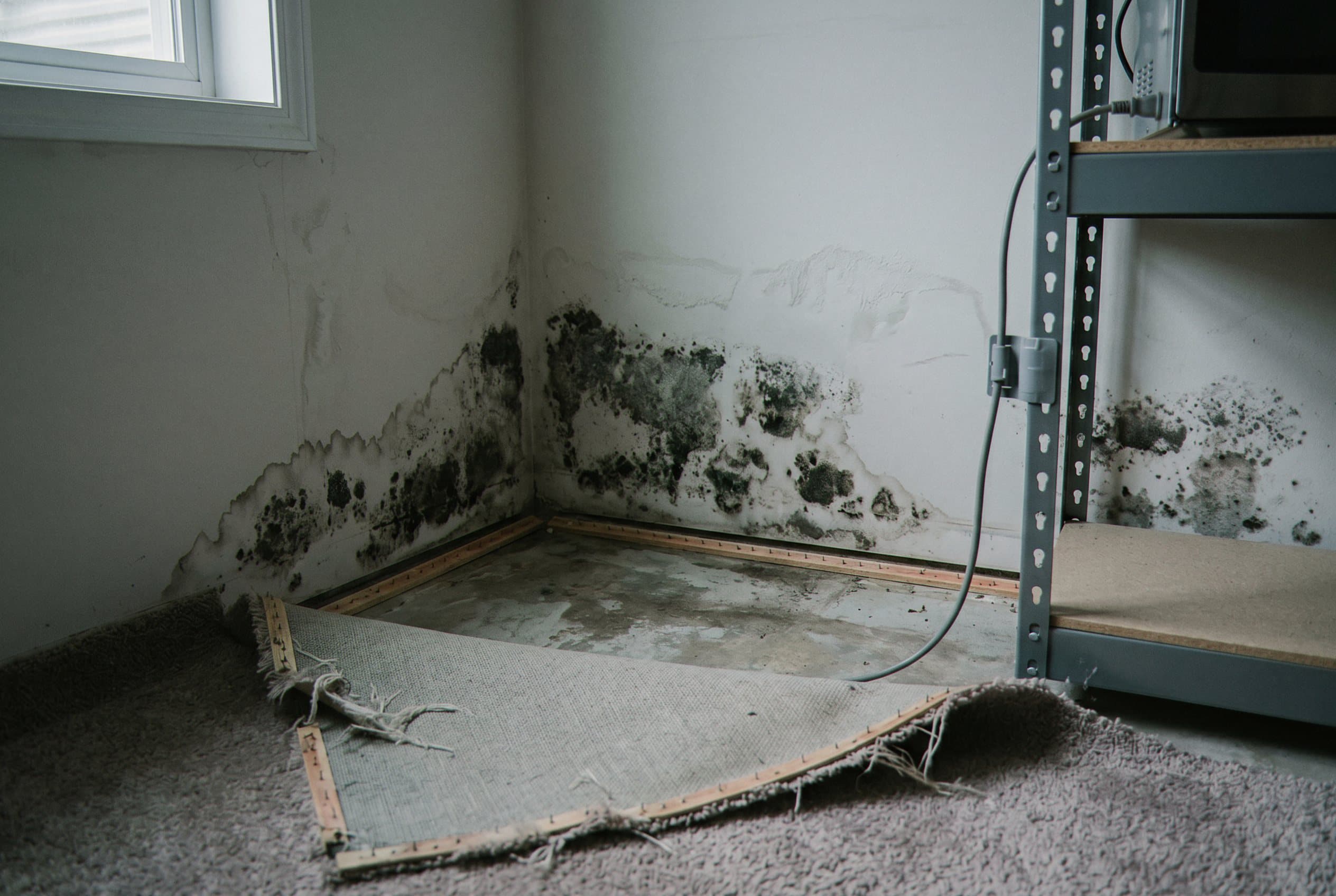
Wood framing black mold growth visible
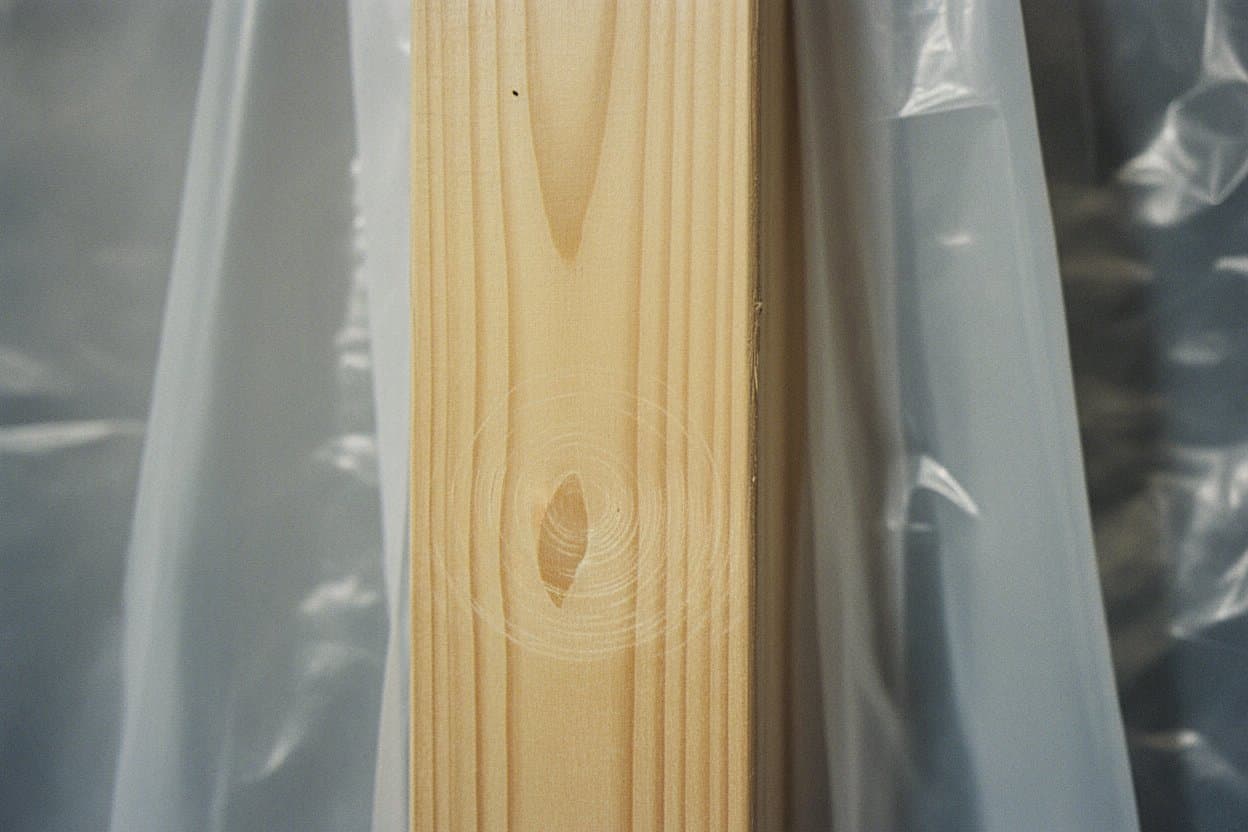
Mold spore contamination close-up wood
What we do

Clean Air and a Dry Home From the First Call

Mold rarely starts on its own. It follows a leak, a flood, or a slow drip that nobody caught for weeks. By the time you notice that damp, earthy smell, the spores have often spread behind the drywall and under the floor. We get the call when a stain keeps coming back, or when someone in the house starts coughing and no one knows why. Once we dry the structure out, we track down every patch and stop it from spreading again.

Our work starts with the source. Pulling mold without fixing the water that feeds it buys you a few weeks, and then the smell comes right back. We seal off the room so spores do not drift into the spaces you still live in. Then we cut out the ruined material, bag it, and treat what stays. We dry everything down to a safe level and run the air until it reads clean. We follow the standards set by the IICRC, and we tell you what we find at each step. Nothing gets closed up until we know it is dry.

  • We chase the water source first so the mold has no reason to return
  • Sealed containment keeps spores out of the rooms you use every day
  • We follow IICRC standards for removal, drying, and final air checks
  • The same crew handles the water and the mold, from first call to last look
  • You reach our crew when you call, and we get to Warren homes fast
We do not paint over mold and hope it stays gone. We find the source, clear it, and check that the air runs clean.

We work in Warren and around Macomb County most weeks of the year, so the pattern here is familiar to us. Basements stay cool and damp, crawl spaces hold moisture long after a leak looks dry on the surface, and a humid stretch in July can wake up growth that started back in the spring. Add a sump pump that quit during a hard rain, or an ice dam that pushed melt water into a ceiling, and you get the calls we take every week. When you call, you get our crew and not a script. We show up when we say we will and tell you straight what the job needs. If the patch is small, we say so. If it runs deeper than the drywall, we explain why and what it takes to clear it.

If you smell mold or keep watching it come back, do not wait for it to spread. Call us. We will come look, tell you what we find, and get it handled. We are ready when you are.
Materials

The containment and gear we bring to a mold job

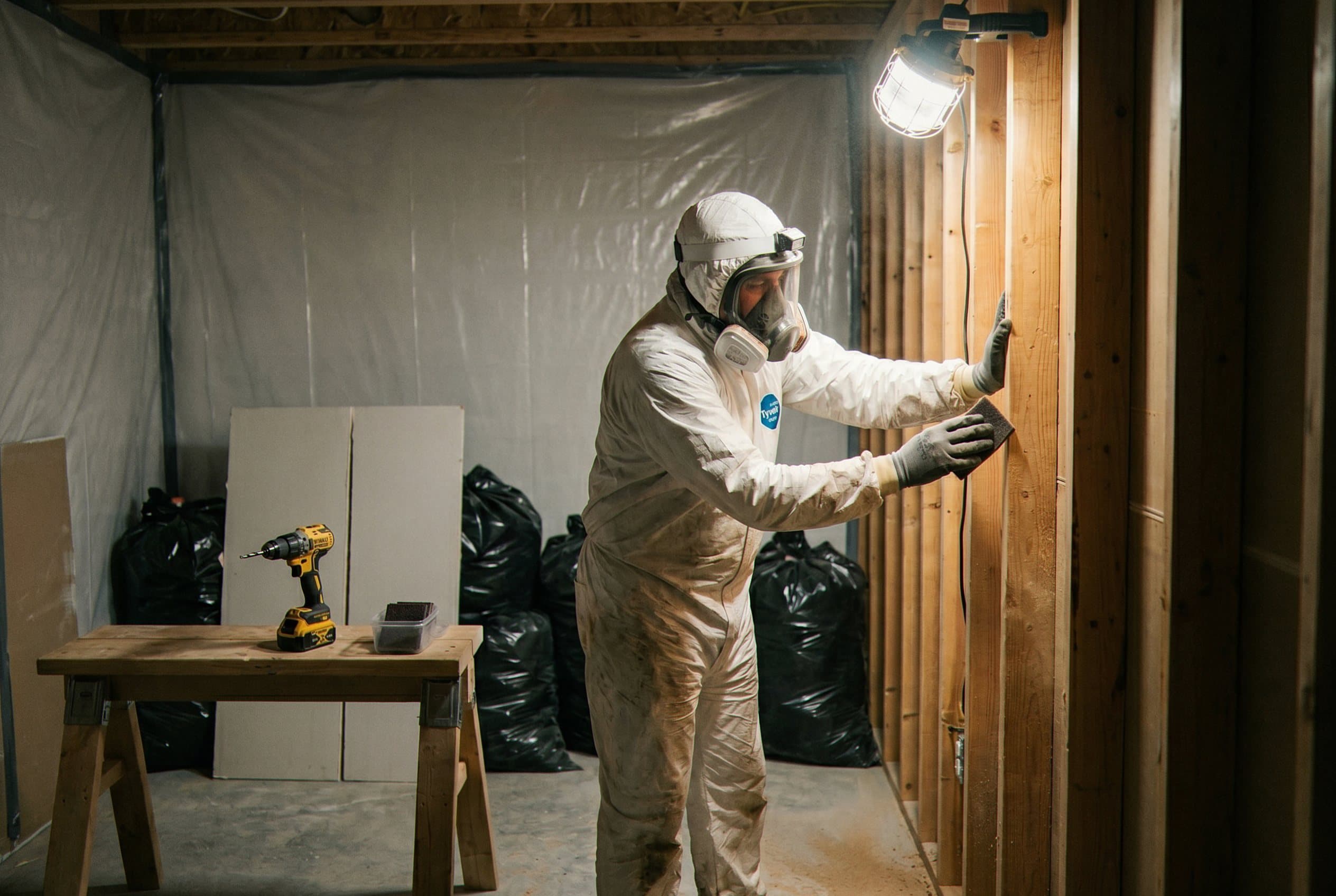
Mold work is won or lost on containment. Before a single piece of drywall comes out, we hang sheeting and build a zipper door so the work area stops at that wall instead of following our boots down your hall. Inside it we run negative air, which means the machine pulls air out of the sealed room and pushes it through a HEPA filter, so the room sits at lower pressure than the rest of your house. Spores that get stirred up have nowhere to drift. Our crew wears suits, gloves, and respirators, and we change them at the door. Hard surfaces that stay get HEPA vacuumed and damp wiped, then treated with a product held on the surface for the full dwell time the label calls for. Rush that step and a stud looks clean while the growth is still alive in the grain.

The other half of the job is measurement. We would rather read a number than trust a guess. Moisture meters tell us how wet the framing and the subfloor really are. A thermal camera shows us the cool wet band inside a wall where a slow leak has been feeding the growth. We log those readings each day, so you can watch the structure come down to the same level as a dry part of your Warren home. Anything soft that took the water goes out. A spore in carpet pad or in the paper face of drywall cannot be scrubbed away. We also do not sell you gear or leave you with a rented machine and no plan. We bring the sheeting, the air scrubbers, and the drying fans, run them ourselves, and haul them out once the space reads clean and dry.

  • Sheeting and zipper doors that seal the work area off from the rooms you live in
  • Negative air machines and HEPA scrubbers that pull spores out of the room
  • HEPA vacuums and damp wiping for the framing and hard surfaces that stay
  • Moisture meters and thermal cameras that find the wet spot feeding the growth
Mold containment and removal procedures underway
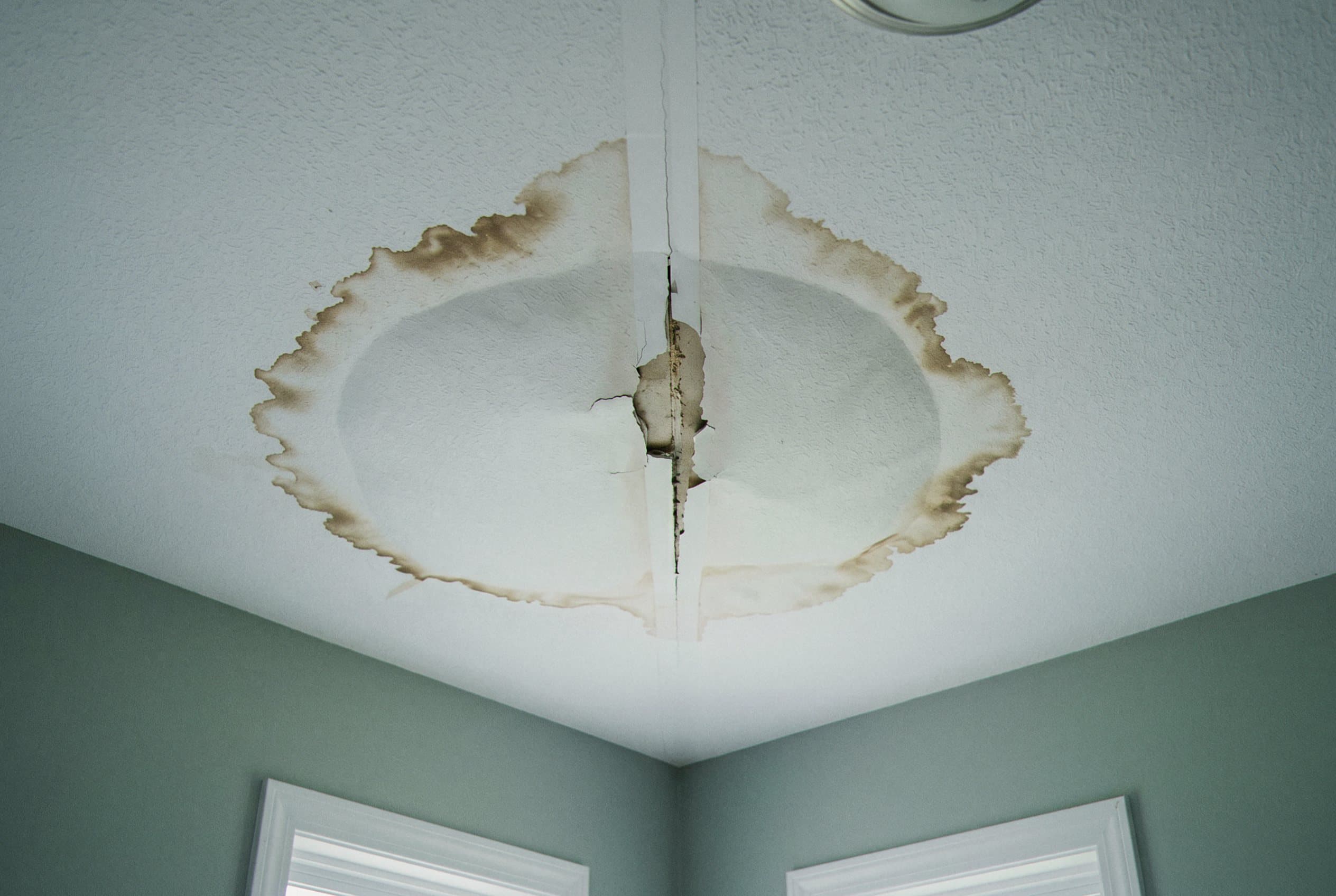
Drywall ceiling water stain early mold growth
What about the alternatives?

Ways people deal with mold in a Warren home

Once you see growth on a wall, the choices in front of you are not equal. Here is a plain read on each route, and what each one tends to leave behind in a Warren house.

Have our crew handle the mold from the source out

We find the water that feeds it and seal the area off. Then we take out what cannot be saved, treat what stays, and dry the structure to metered readings. We check the air before we open the containment. It is the one route that ends with the reason for the growth gone.

Recommended

Get the leak fixed first by a plumber or a roofer

Worth doing, because growth comes right back when the water keeps arriving. That trade fixes the pipe or the shingle though. The wet insulation, the stained drywall, and the spores already in the cavity are still there when the truck pulls away.

Acceptable

Bring in an outside firm to test the air and write a report

Useful when a doctor is involved, when a sale is on the line, or when nobody can agree on how far the growth runs. A report on its own changes nothing in the house. Someone still has to open the wall and take the material out.

Acceptable

Clean a small patch yourself on hard surface

Fine for a spot smaller than about ten square feet on tile or on painted trim. That is the line the EPA draws for a homeowner. Wear a mask and keep the area damp so the dust stays down. Stop if the patch turns out to run behind the wall.

Acceptable

Spray a store bottle of bleach across the drywall

It fades the color and leaves the wall looking better for a while. The water in it soaks into the paper face and the stud behind it, and that is the exact food and moisture the growth wanted. A week or two later the stain reads dark again.

Skip

Prime and paint over the stain and move on

A stain blocking coat hides the mark, so the room shows well until the wall gets wet again. Nothing under the paint changed. The colony keeps feeding on the paper and the framing, and the smell finds its way back into the room within a season.

Skip
How it goes

From quote to walk-on, fast.

01

Rapid Response

Our line is open 24/7, and every water call gets treated as an emergency. We take the details, tell you what to do before we arrive, and get a crew moving toward your Warren address.

02

Assess & Extract

On site we map the moisture with meters and infrared thermal imaging, so we know everywhere the water traveled — not just where it shows. Then pumps and extractors pull the standing water out, lowest points first.

03

Dry & Monitor

Air movers and dehumidifiers dry the structure itself while we log moisture readings every day. The gear stays until the wet areas return to the documented dry standard — not until the floor feels dry.

04

Repair & Restore

With the structure verified dry, we rebuild what the water ruined — drywall, trim, flooring, paint — and hand the room back to you in pre-loss condition, with the full documentation file.

Before you book

Straight answers about mold in your home

Owners here ask us the same handful of things once they spot growth. Here is where we stand on each one.

Is black mold worse than the other kinds?
Color tells you less than people think. Plenty of dark growth is common household mold, and some of the worst spreading we open up is gray or white. We treat every colony the same way, because what matters is how much there is, what it is growing on, and where the water came from. That is what we look at, not the shade on the wall.
Can I just clean it with bleach?
On tile or on a painted metal frame, a wipe down does fine. On drywall, wood, or insulation it does not. Those surfaces are porous, so the roots sit below where the liquid reaches and the water in the bottle soaks right in. You end up feeding the colony you were trying to kill. Porous material that took the water has to come out.
Do I need an air test before you start?
Often no. When we can see the growth and trace the leak, testing tells us what our eyes already did. We will point you to an outside firm when a doctor wants numbers, when a sale or a claim depends on paper, or when the smell is real but the source is hiding. We keep that testing separate from our own work so nobody has reason to doubt the result.
How fast can you get to my Warren home?
We work out of this area, so Warren and the nearby Macomb County streets are a short drive for our crew. Call and tell us what you are seeing and smelling. We will give you a real arrival window. If the growth is still wet and spreading, that job moves up our day, since every warm humid stretch pushes it further into the framing.
Can my family stay in the house while you work?
Usually yes. The sealed area and the negative air are there so the rest of your home stays usable while we work. We plan the route we carry debris out and cover what we cross. If the growth sits in a bedroom, or if someone in the house has asthma or is going through treatment, we will say so plainly and help you sort out where to sleep until that room is clear.
Will it come back after you leave?
Not when the water is dealt with. Mold needs moisture, and it dies out without it. Growth returns when a crew scrubs the surface, leaves the wet cavity behind the wall, and closes it up. We track the source first, dry the structure to readings that match a dry part of your house, and show you the numbers before anything gets sealed.
Aftercare

Keeping mold from finding its way back

Once the space reads dry and we pack up, staying ahead of the next round is mostly habit. Warren houses give mold the same few openings every year, and none of them are hard to close. Winter brings ice dams and condensation on cold walls, spring rain lands on ground that is already full, and the humid weeks of summer keep a basement sitting damp for days. A short walk through the house each season catches almost all of it while it is still a small thing.

  • Keep the basement dry through the summer, and run a drying unit in the weeks when the air outside stays heavy.
  • Vent the bath fan and the dryer all the way outside, never into the attic.
  • Test the sump pump before the spring rains, and keep a battery backup ready for the storms that knock the power out.
  • Aim the downspouts away from the foundation.
  • Walk the basement and the crawl space after a heavy rain, and put a hand on the low corners where water shows up first.
  • Fix a drip under a sink the week you find it, because a slow one behind a cabinet is how most of these jobs start.
Technician in suit scrubbing mold remediation
FAQ

Common Mold Remediation Questions in Warren

How fast can you get to my Warren home?
Water damage restoration is an emergency, so we treat every call that way. Once we have your address we load the truck and roll, and most of Warren and the rest of Macomb County is a short drive for our crew. We give you a real arrival window on the phone instead of a vague promise. If the water is still running, we walk you through shutting it off while we drive.
What should I do before the crew arrives?
If you can do it safely, shut the water off at the main valve and kill power to the flooded rooms at the breaker. Move rugs, shoes, boxes, and anything light up off the wet floor. Do not run a shop vac on standing water near a live outlet. Then leave the rest to us.
Do you work with my insurance?
Yes. We document a water damage restoration loss the way adjusters expect it, with moisture readings, photos, and a written scope of what has to be done. We send that packet straight to your carrier and talk them through it if they call. You still own the claim, but you are not building the file by yourself.
Will there be mold?
Mold needs two things, moisture and time. When a structure dries out in the first day or two, growth usually never gets started. We read moisture in the walls, subfloor, and framing every day until those numbers match the dry parts of your house. If we do find growth, we seal the area off and clean it up following EPA guidance.
Is the water contaminated?
That depends on where it came from. A burst pipe or an overflowing tub starts out clean, and a slow roof leak sits somewhere in the middle. Water from a sewer backup or a storm drain is category three, so we work in protective gear with the room sealed off and the air scrubbed. We tell you which category you have before anybody starts pulling material.
Ready when you are

Let's make your next steps easier

Tell us what is going on at your Warren home and we will walk you through the options. One call or one short form is all it takes.

Call (586) 250-0785Make your inquiry
CallContact us