Why drying is the step that actually saves your home
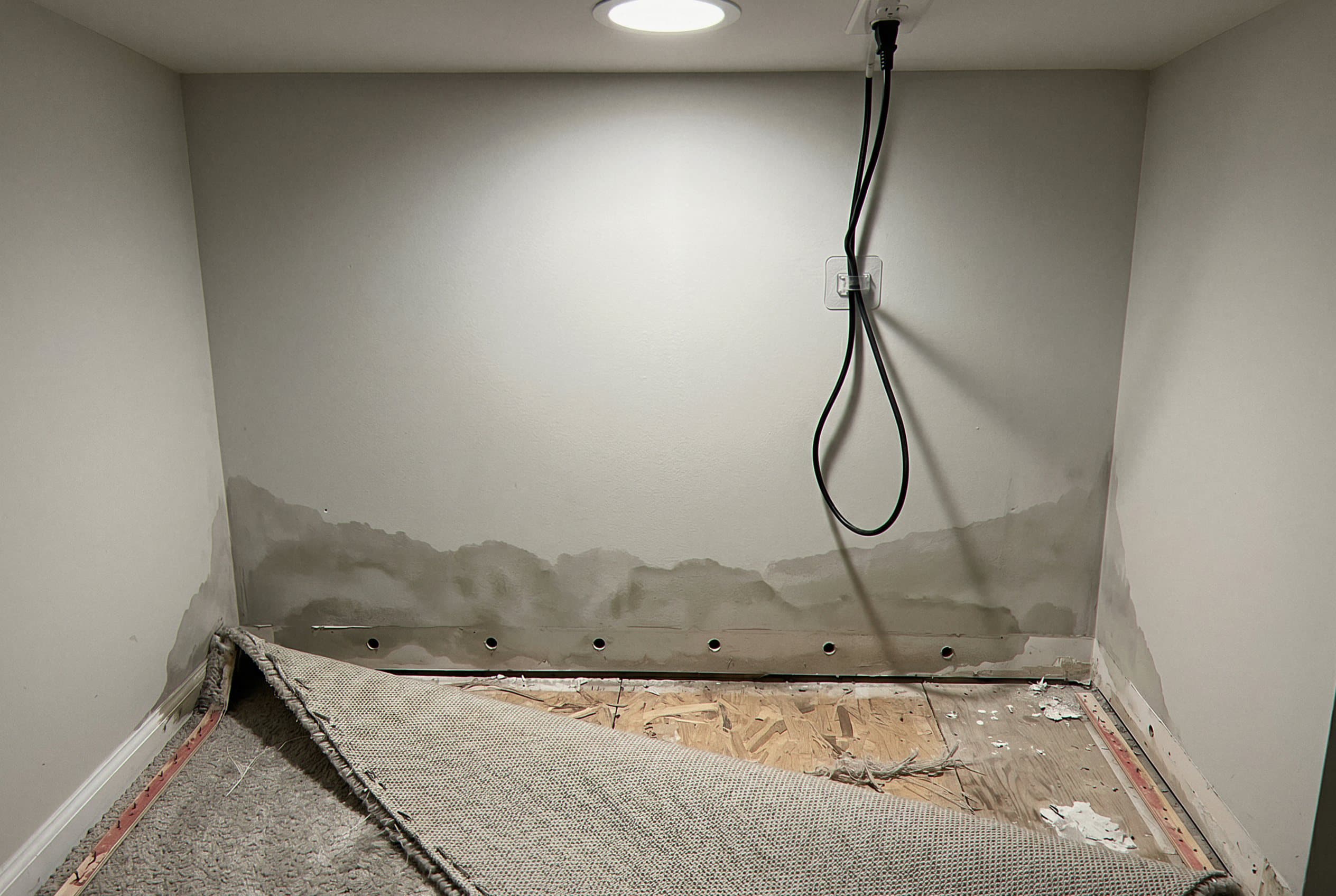
Getting the standing water off the floor is only the opening move. Your home stays soaked in ways you cannot see from the hallway. Water wicks up into the drywall, settles into the subfloor, and gathers deep inside the wall cavities behind your baseboards. Leave it there and that hidden water feeds mold while it slowly bends the wood that holds your rooms together. That is the part that costs real money. It stays quiet on the first day. It shows itself weeks later, when a sour smell drifts in or the floorboards start to cup and lift away from the nails.
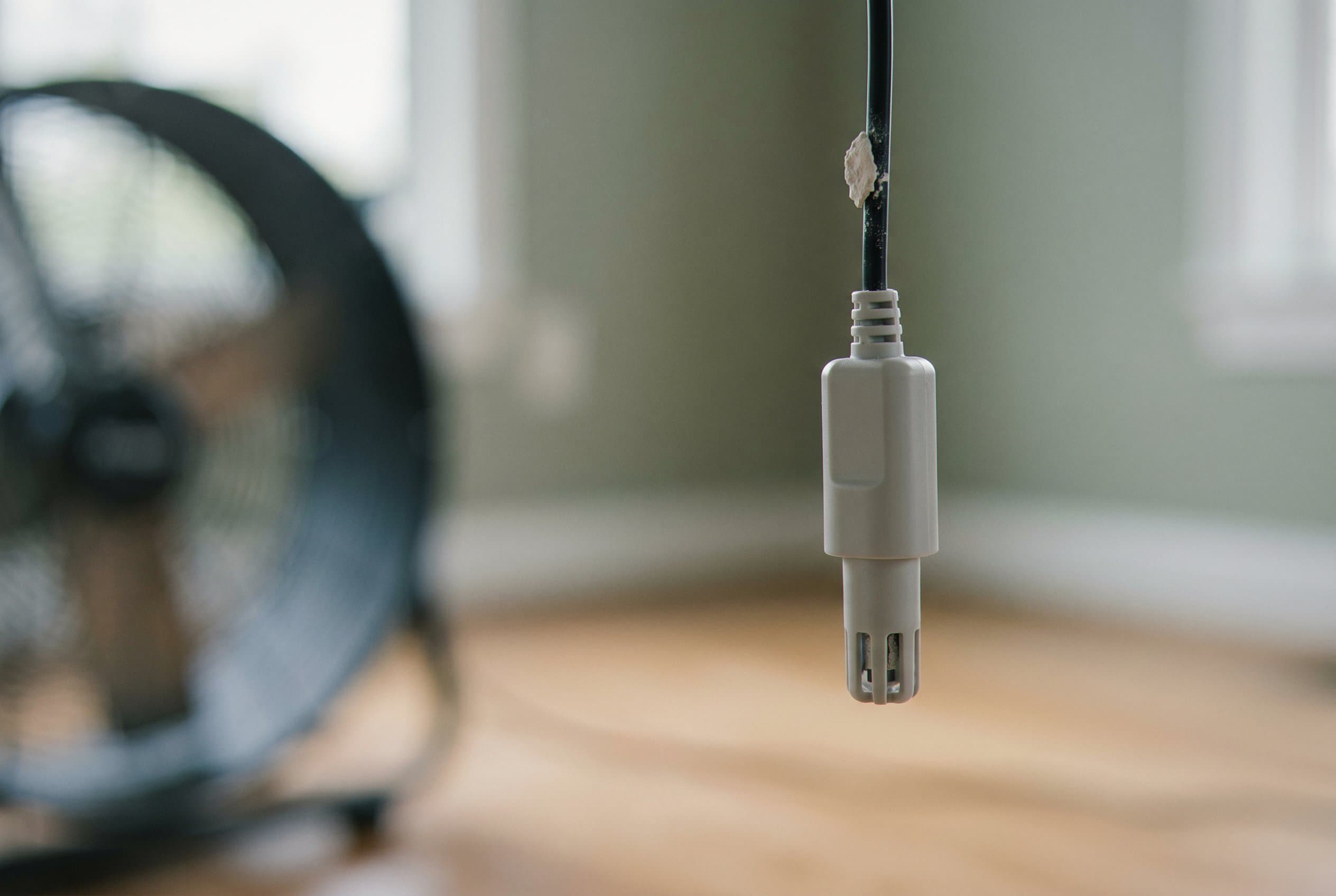
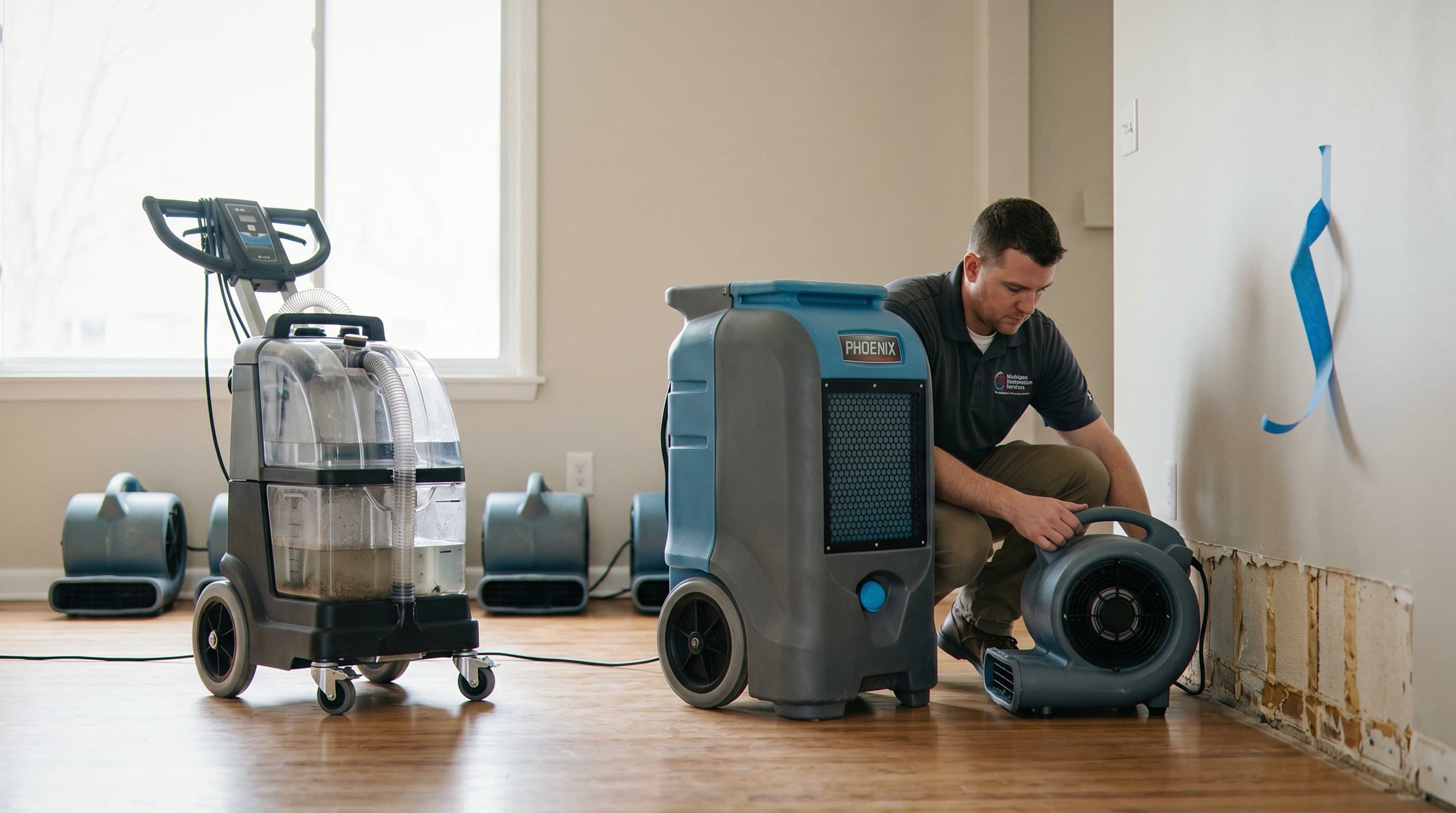
So we treat the drying as its own job, not an afterthought. The same day we finish hauling the water out, our crew places air movers and dehumidifiers in every room that flooded. The air movers send a fast, steady stream of air across the wet floors and walls, which lifts the trapped moisture up into the room as vapor. The dehumidifiers then pull that vapor straight out of the air and drain it away from the house. Running together, the two machines draw the water out of your materials and out of your home for good. We match the count to the actual room, never to a rough guess.
- We dry the structure itself, not just the surface you can touch, so the framing and subfloor settle back to a safe moisture level.
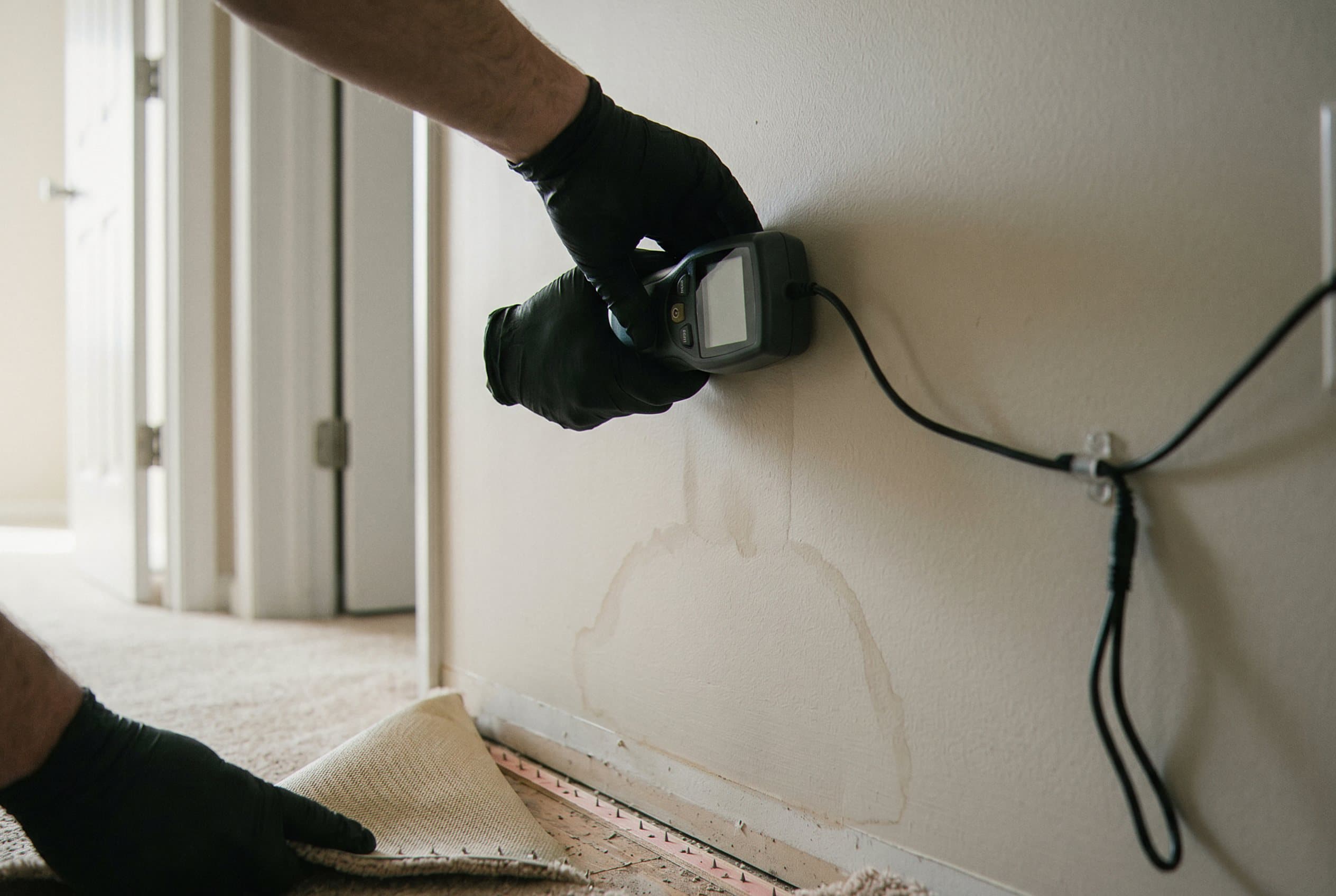
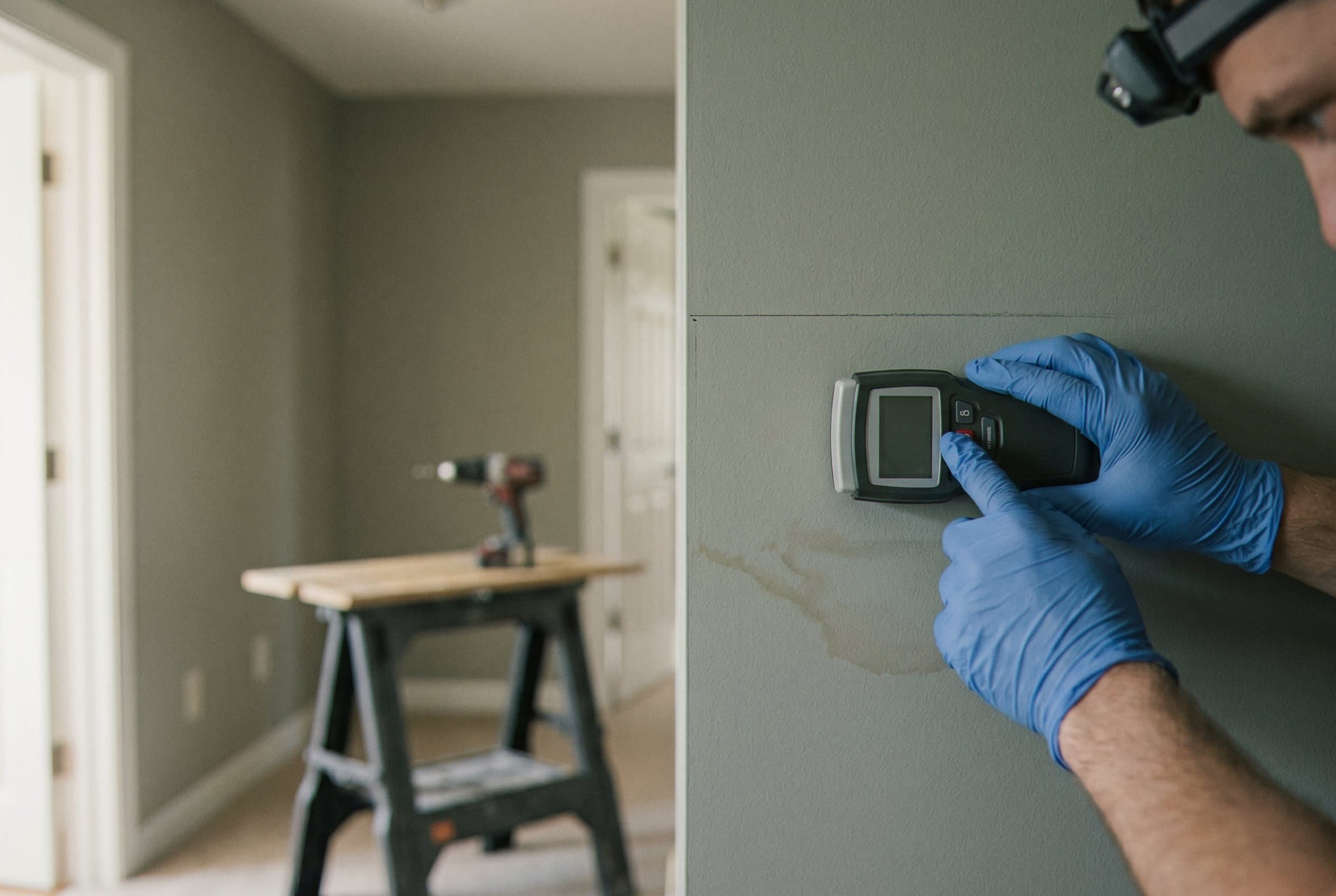
- Daily meter readings track every wet pocket in the house, so no room gets signed off until the numbers say it is truly dry.
- Fast drying chokes mold off before it can take root, which keeps a small loss from spreading into a full tear out.
- We seal the dry parts of the home away from the work, so the dust and the noise stay inside the rooms that took on water.
- You get a plain spoken update each day on what is drying, what still reads wet, and when we expect to carry the gear back out.
Every Warren home lets go of its water at its own speed. A finished basement with carpet and a thick pad holds moisture far longer than a tile floor near the front door. Plaster behaves nothing like modern drywall, and plenty of the older homes around Warren carry both under a single roof. Our crew reads the moisture in each material, tunes the machines to match, and rechecks the numbers daily. When a wall cavity will not surrender its water, we open a small port and steer the airflow right where the water hides. We do not guess at the dry down. We never lean on the meter to read what we wish it said.
If your Warren home took on water, the clock is already running on the moisture you cannot see. Call us, and our crew will set the drying gear, map every wet spot across the house, and stay on it until the readings come back clean. We answer the phone ourselves. We do the work ourselves. You deal with the same crew from the first call through the last meter check.