
Flood Damage Cleanup · Warren

Flood Damage Cleanup in Warren, MI

When flood water moves into your Warren home, we show up fast, pump it out, and dry the place back to safe.

Free Quote

Free Flood Damage Cleanup quote.

We reply within 1 business hour. No spam, ever.

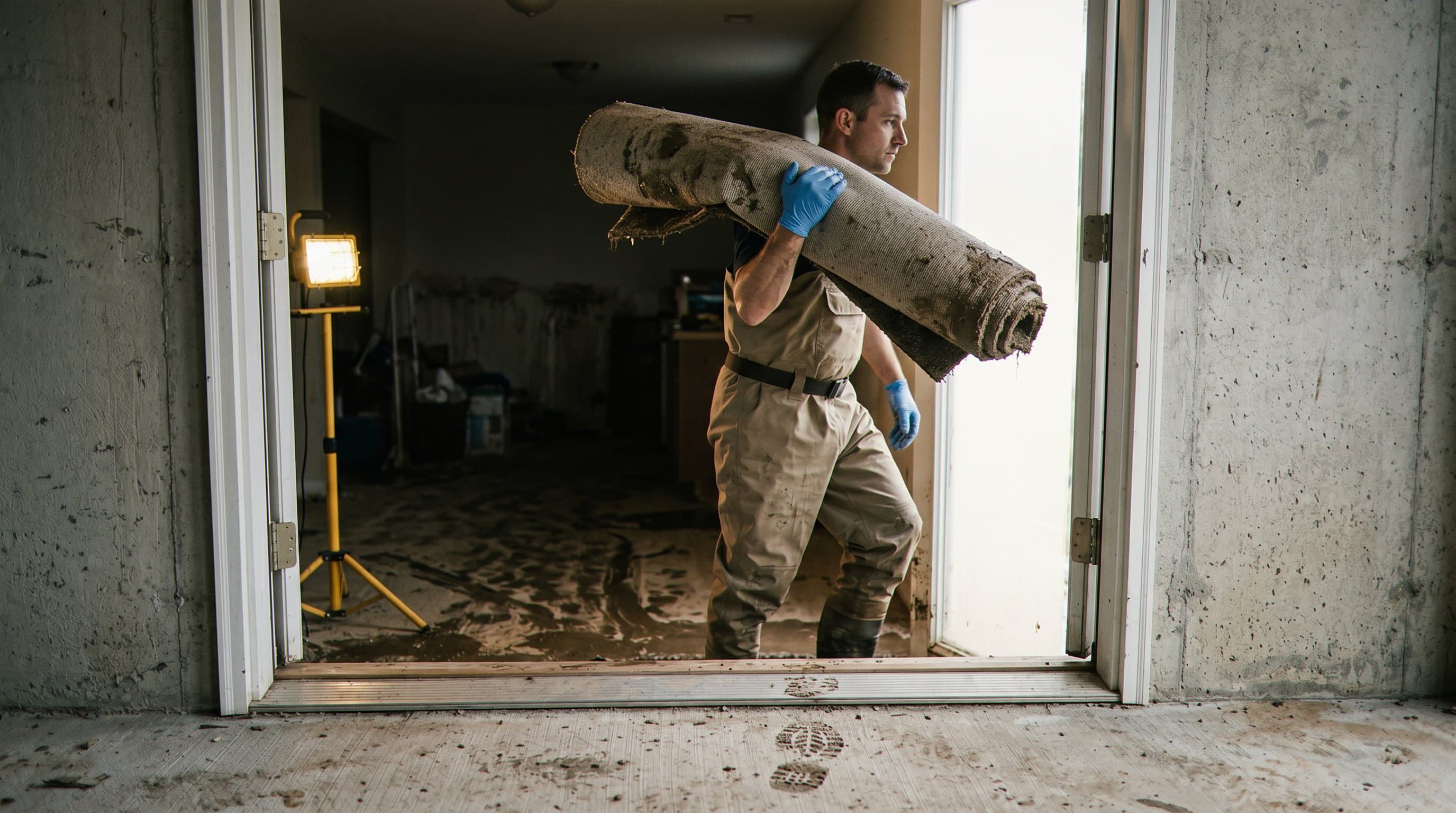
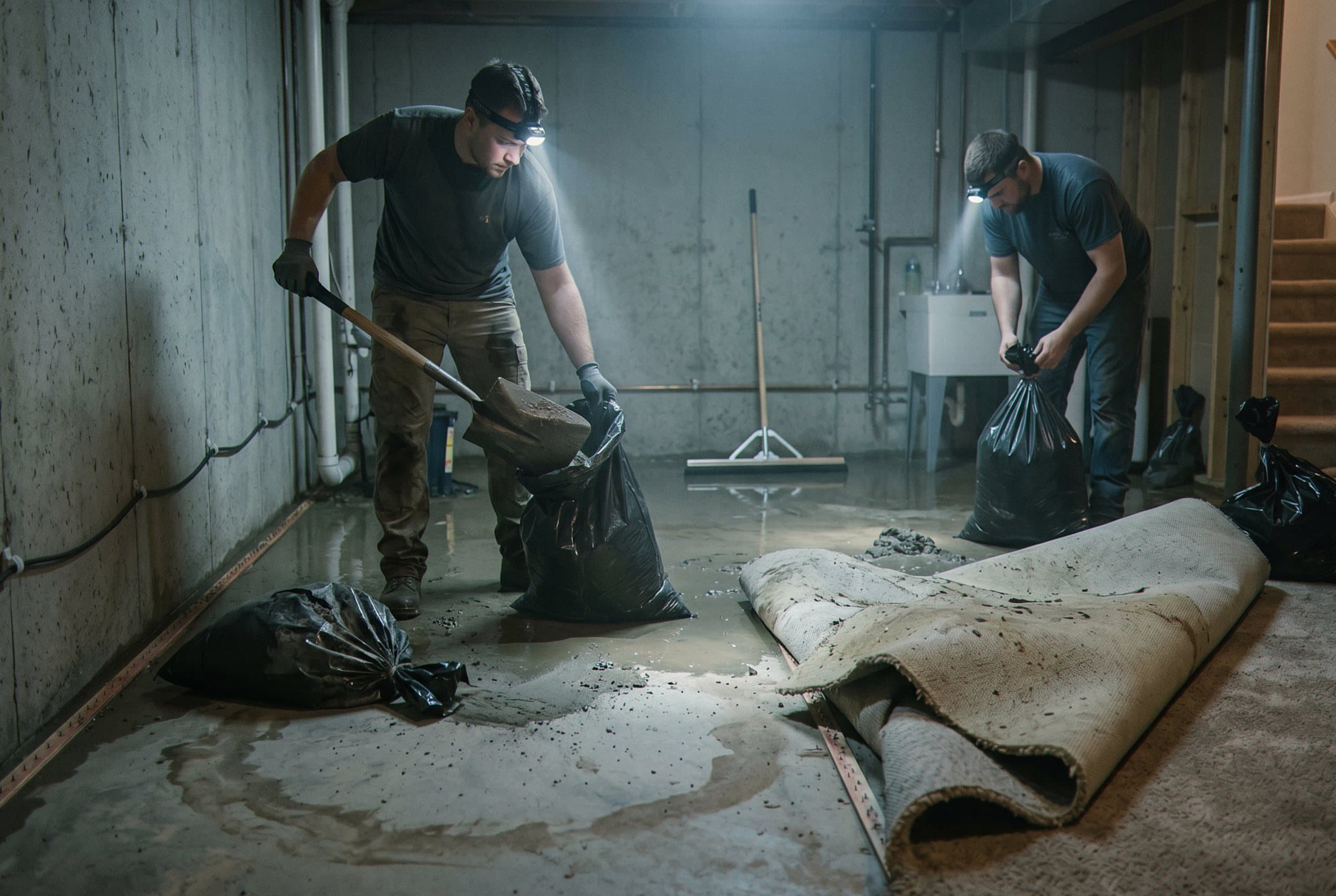
Technician cleaning flooded basement interior
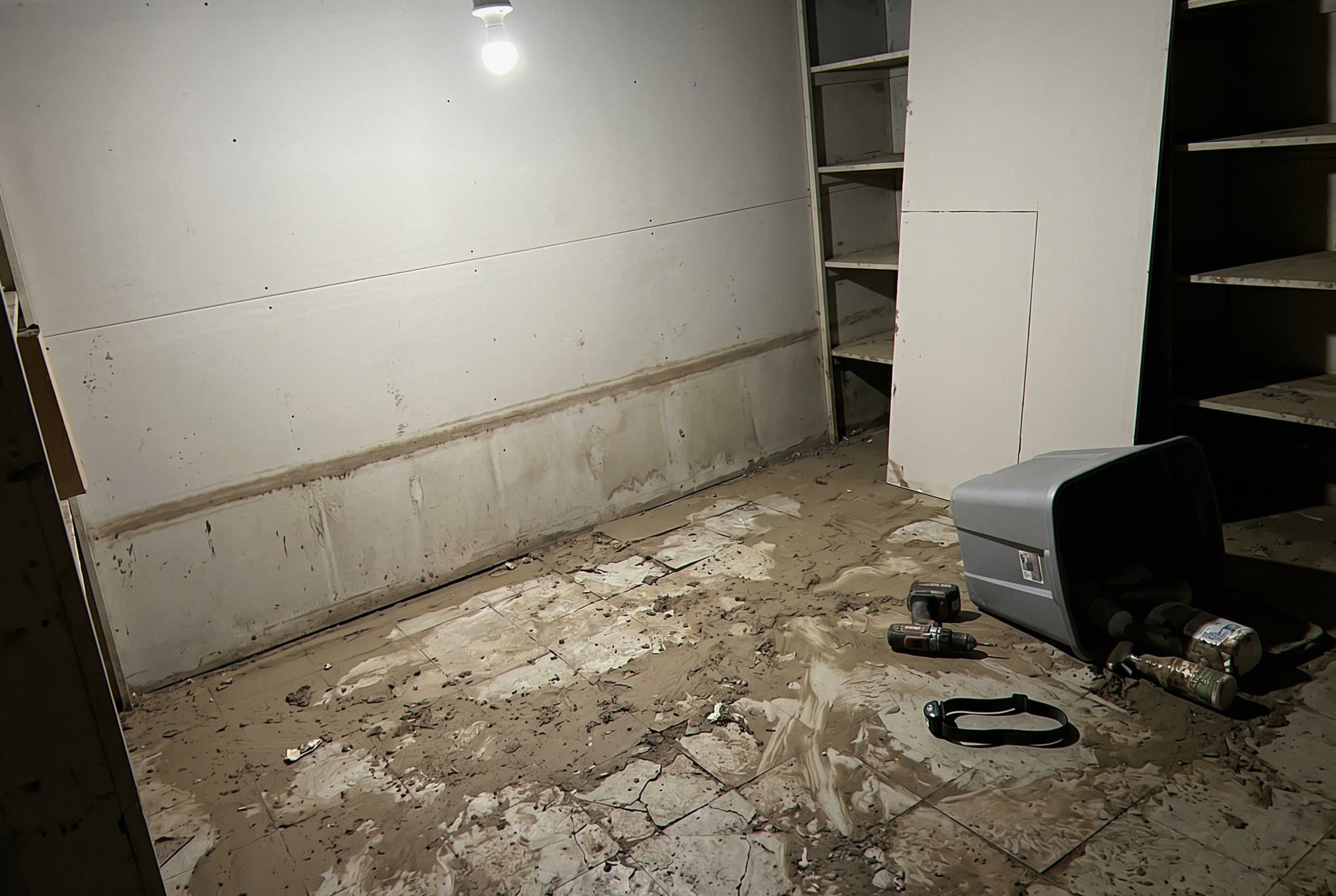
Basement contaminated water pooled floor
Flood water with debris damage evidence
What we do

What flood damage cleanup looks like with us

A flood never picks a good time. Water pushes in under the door, up through a floor drain, and across a finished basement in just minutes. Every hour it sits, the damage spreads farther into your floors and walls. We answer the phone when you call and get a crew rolling to your Warren property right away. The first thing we do is find the source, stop it where we can, and start pulling the water out before our structural drying crew takes over.

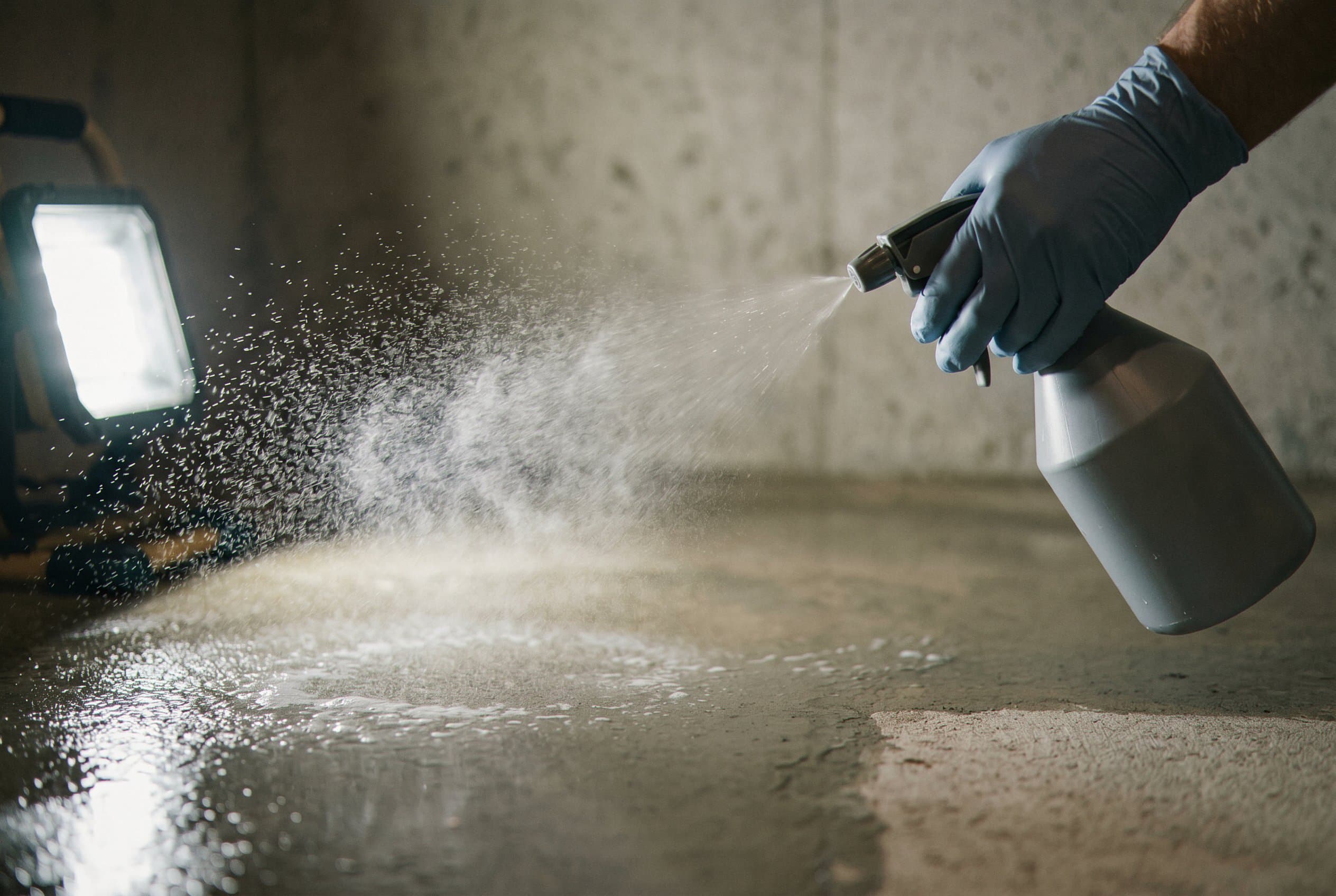
Once the standing water is gone, the real work starts. Flood water carries grit, fuel, and whatever it ran across before it reached you, so we treat it as dirty and clean to match. We pull soaked carpet pad, cut ruined drywall back to a clean line, and haul out what cannot be saved. Then we wash and sanitize the surfaces that stay, following the methods the IICRC sets for water that comes in this dirty.

  • We arrive fast, because a Warren flood only gets worse the longer it sits.
  • We pump out the standing water and extract what the pumps leave behind.
  • We treat flood water as dirty and clean every surface to match.
  • We dry the structure with real meters, so nothing stays wet behind a wall.
  • We log the loss in photos and writing so your insurer sees it all.
We never call a flood job done when the floor looks dry, only when the meter says so.

Drying is where most cleanup jobs fall apart, and it is the part we will not rush. Water hides. It climbs inside wall cavities, slips under tile, and soaks the framing where your eye never reaches. We set the drying gear in the right spots, then measure the moisture each day until the readings match dry. Leave too early and mold shows up within a day or two, so we stay until the numbers say the home is sound.

If flood water is in your Warren home right now, call us. We will talk you through the first steps on the phone, then send a crew to pump, clean, and dry before the damage settles in. The sooner we start, the more of your floors, walls, and things we can save.
Materials

The gear and methods we bring to a flood

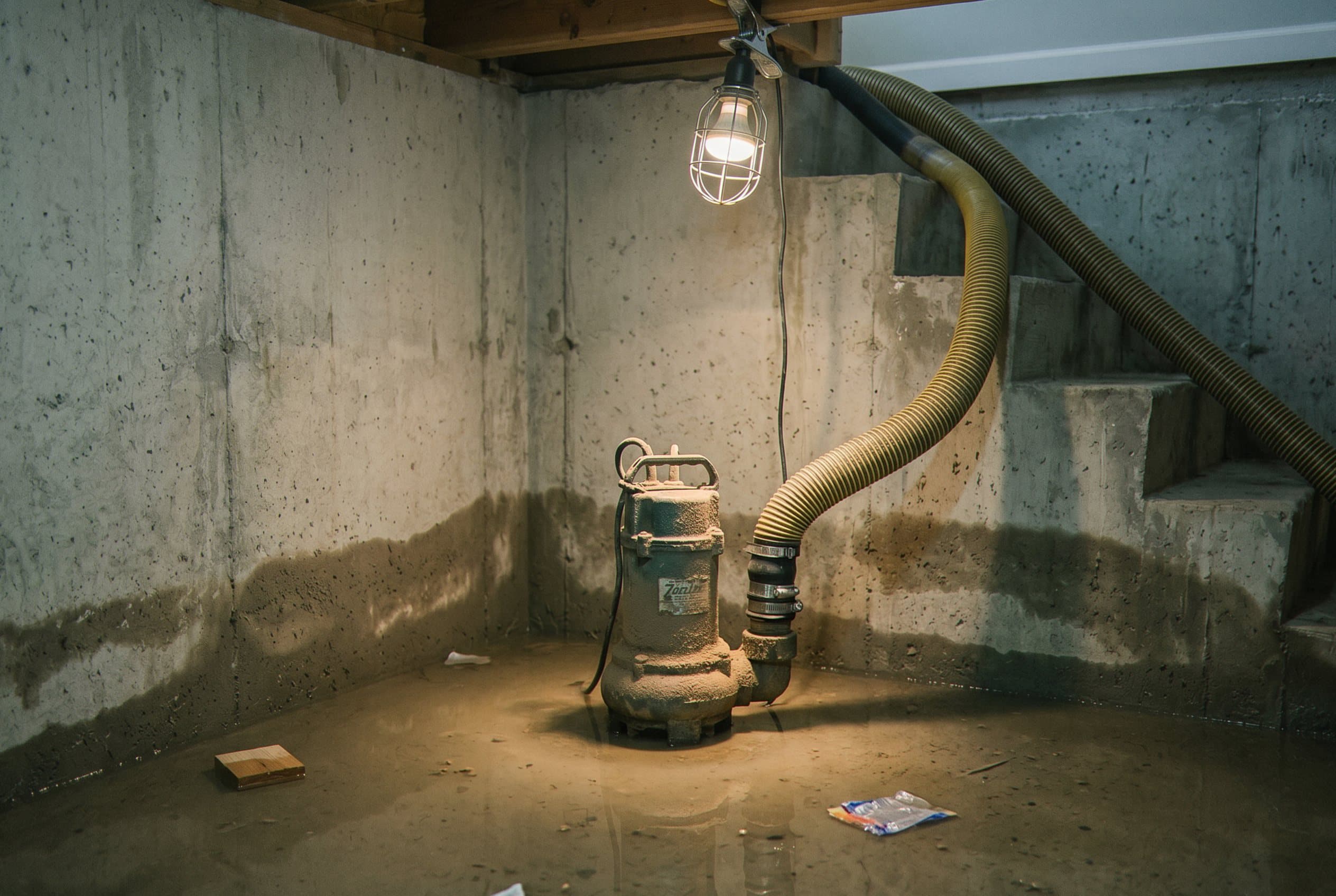
Flood cleanup comes down to the right gear used the right way, and we bring ours to every Warren job. Submersible pumps move the deep water first. Truck mounted and portable extractors then pull what stays trapped in carpet and pad. After the bulk water is out, air movers push a steady flow across wet surfaces while the drying units strip the moisture from the air so it cannot settle back into your floors.

We measure instead of guess. Moisture meters and thermal cameras show us where water hides behind walls and under floors, and we log those readings each day to prove the structure is drying. For the cleaning, we match the products and dwell times to the kind of water we find. We follow the IICRC drying standard so the work holds up long after we pack up and leave.

  • Submersible and trash pumps for fast removal of deep standing water
  • Truck mounted extractors that pull trapped water from carpet and pad
  • Air movers and drying units sized to the room, not the truck
  • Moisture meters and thermal imaging to find the water you cannot see
Industrial pump extraction equipment basement setup
Technician removing soaked drywall basement
What about the alternatives?

Your options when a flood hits

When water floods in, people reach for different fixes. Here is how the common choices hold up, and where each one helps or falls short for a Warren property.

Call a flood cleanup crew right away

The water comes out fast. The structure dries under daily meter readings, and the loss is logged for your insurer in a form your claim can actually use. This is what we do, and it saves the most of your home.

Recommended

Shop vacuum and fans you already own

Fine for a small clean spill you catch in minutes. For a real flood it cannot move the volume or reach the water sitting inside your walls and under the floor.

Acceptable

Rent gear and dry it yourself

You can pull some water. The trouble is that rented units run small, and most owners stop long before the structure is truly dry, so the water left behind quietly turns into mold.

Acceptable

Wait and let it air out

On a tiny bit of clean water this can work. With flood water it almost never does, and the delay just lets the mess, the smell, and the rot set in.

Acceptable

Bleach the spot and move on

Bleach does nothing for the water trapped below a wet surface. The smell comes back, the framing stays wet, and the problem keeps growing out of sight where you cannot watch it.

Skip

Ignore it once the top looks dry

A dry top can hide a soaked subfloor. That is the most common way a small flood turns into a big repair, because the water is still sitting down there working on the wood.

Skip
How it goes

From quote to walk-on, fast.

01

Rapid Response

Your call is answered 24/7, and every water call gets treated as an emergency. We take the details, tell you what to do before we arrive, and get a crew moving toward your Warren address.

02

Assess & Extract

On site we map the moisture with meters and infrared thermal imaging, so we know everywhere the water traveled — not just where it shows. Then pumps and extractors pull the standing water out, lowest points first.

03

Dry & Monitor

Air movers and dehumidifiers dry the structure itself while we log moisture readings every day. The gear stays until the wet areas return to the documented dry standard — not until the floor feels dry.

04

Repair & Restore

With the structure verified dry, we rebuild what the water ruined — drywall, trim, flooring, paint — and hand the room back to you in pre-loss condition, with the full documentation file.

Before you book

Straight answers about flood cleanup in Warren

We hear the same worries from Warren owners after a flood. Here are honest answers, with no runaround.

How fast can you get here?
We move on flood calls the same day you reach us, because every hour the water sits costs you more floor and wall. Call us and we give you a real arrival window, then a crew heads your way to start pumping.
Is the flood water dangerous to be around?
Often it is. Flood water that crosses the ground or backs up from a drain carries bacteria, fuel, and debris. We treat it as dirty, wear the right protection, and keep your family clear of the work area until it is clean.
Will my floors and drywall be wrecked for good?
Some of it we can save and some we cannot. We dry what is still sound and pull out only what the water has truly ruined. Cutting a clean line of drywall early often saves the studs behind it.
Can you work with my insurance?
We log everything as we go, with photos, moisture readings, and a written scope of the loss. That record is what your insurer needs, and we hand it over so your claim has the proof it asks for.
How long until my place is dry?
Most homes dry in three to five days, though a heavy flood in a finished basement can run longer. We measure each day and tell you the truth about where the readings stand.
What if mold already started?
Flood water and mold travel together when drying runs slow. If we find growth, we wall it off, remove the bad material, and clean the area by the methods the EPA lays out, then dry the space so it does not come back.
Aftercare

Keeping flood water out of your Warren home

Once your place reads dry and we pack up, a few habits keep the next storm from putting you through this again. Warren basements take on water for reasons you can see coming, and most of them are cheap to head off. Here is what we tell every owner before we go.

  • Keep your gutters clear and aim the downspouts well away from the foundation.
  • Test your sump pump before each wet season and keep a battery backup ready.
  • Add a backflow valve so a city sewer surge cannot push water up your drains.
  • Seal cracks in the foundation and the basement floor as soon as you spot them.
  • Store anything you value up off the basement floor, on shelves or pallets.
  • Grade the soil around the house so rain runs away from the walls, not toward them.
Technician cleaning flooded basement interior
FAQ

Flood cleanup questions Warren owners ask

How fast can you get to my Warren home?
Our phone is answered 24/7, and we treat every water call as an emergency — nights, weekends, and holidays included. Tell us what is happening and where the water stands, and we will give you an honest arrival window while a crew heads your way.
What should I do before the crew arrives?
Stop the water at the main shutoff if you can reach it safely. Keep clear of outlets, cords, and anything electrical while you are wet or standing in water — flip the breaker only if you can get to it on dry ground. If the water is sewage or floodwater, treat it as a health hazard, not a cleanup job: stay out of it, keep kids and pets away, and do not run a wet vac or the HVAC through it. Then photograph and video everything before you move or toss a single thing.
Do you work with my insurance?
We document the loss so your adjuster gets what the claim needs. We photograph before, during, and after, log moisture readings every day, and hand you the complete file — scope, photos, and readings. One honest note: sudden and accidental water damage is covered under most homeowners policies, while flooding generally is not. Your policy decides, so keep damaged items until your adjuster has seen them.
Will there be mold?
That depends on how fast the drying starts. The EPA advises getting water-damaged areas dry within 24 to 48 hours to head off mold growth, and the CDC's flood guidance goes further — if a material stayed wet longer than that, assume mold is present. Start drying inside that window and mold usually never gets a foothold. Wait, and remediation may become part of the job.
Is the water contaminated?
The ANSI/IICRC S500 standard sorts water into three categories. Category 1 is clean water from a sanitary source, like a split supply line or an overflowing tub. Category 2 is gray water — dishwasher discharge, washing-machine water, a failed sump pump — contaminated enough to cause discomfort or illness. Category 3 is black water, like sewage backups, which can carry pathogenic agents. One thing many crews get wrong: storm water is not automatically Category 3. The on-site inspection determines the category, and the category determines the cleanup.
Ready when you are

Let's make your next steps easier

Tell us what is going on at your Warren home and we will walk you through the options. One call or one short form is all it takes.

Call (586) 250-0785Make your inquiry
CallContact us