Water Damage Repair & Reconstruction · Warren

Water Damage Repair and Reconstruction in Warren, MI

After the water is gone and the framing reads dry, our Warren crew rebuilds the room from bare studs back to a finished space you can live in.

Free Quote

Free Water Damage Repair & Reconstruction quote.

We reply within 1 business hour. No spam, ever.

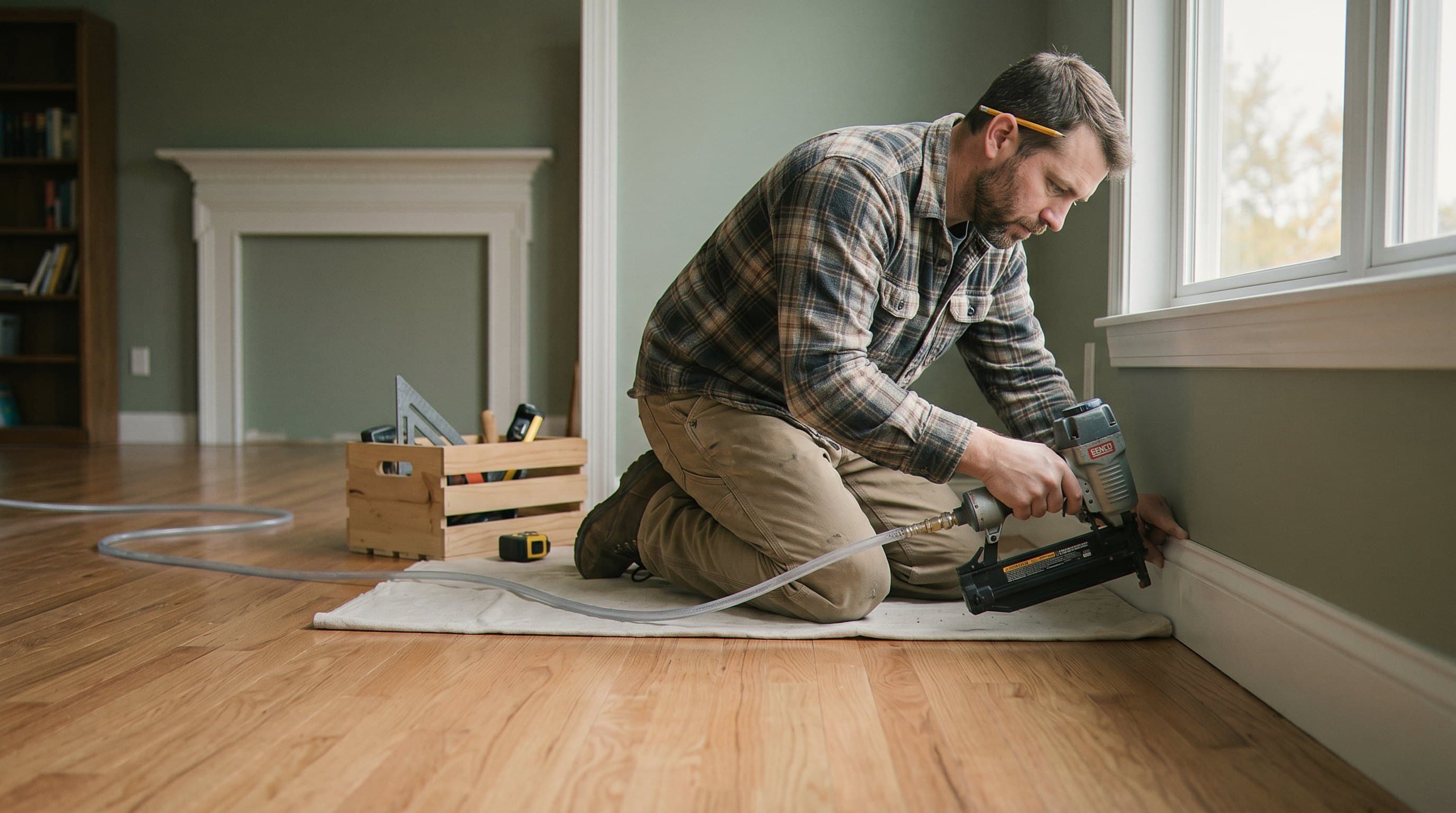
Technician installing fresh drywall repair
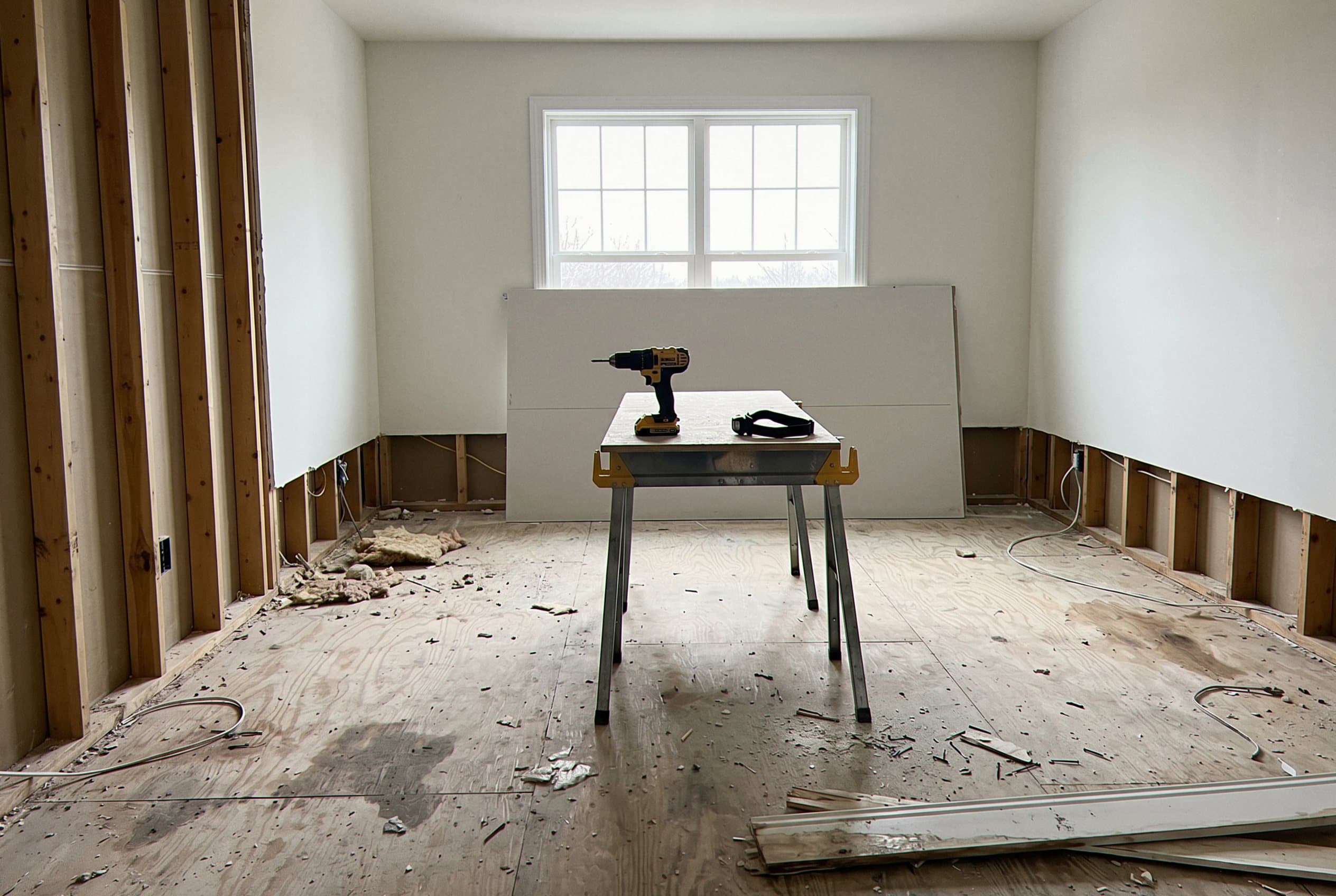
Removed drywall exposing water damage studs
Repaired wood beam wall cavity interior
What we do

We Rebuild Your Warren Home After Water Damage

Drying the framing is only the first half of the job. The rebuild is what makes your house feel like home again. We own that part from the first cut to the final coat of paint. Once the readings sit dry, we open the walls and floors the water ruined and haul the soaked material out to the curb. Then we frame the space back to square. We work in Warren homes most weeks of the year, so we know how these houses go together and where the water likes to hide.

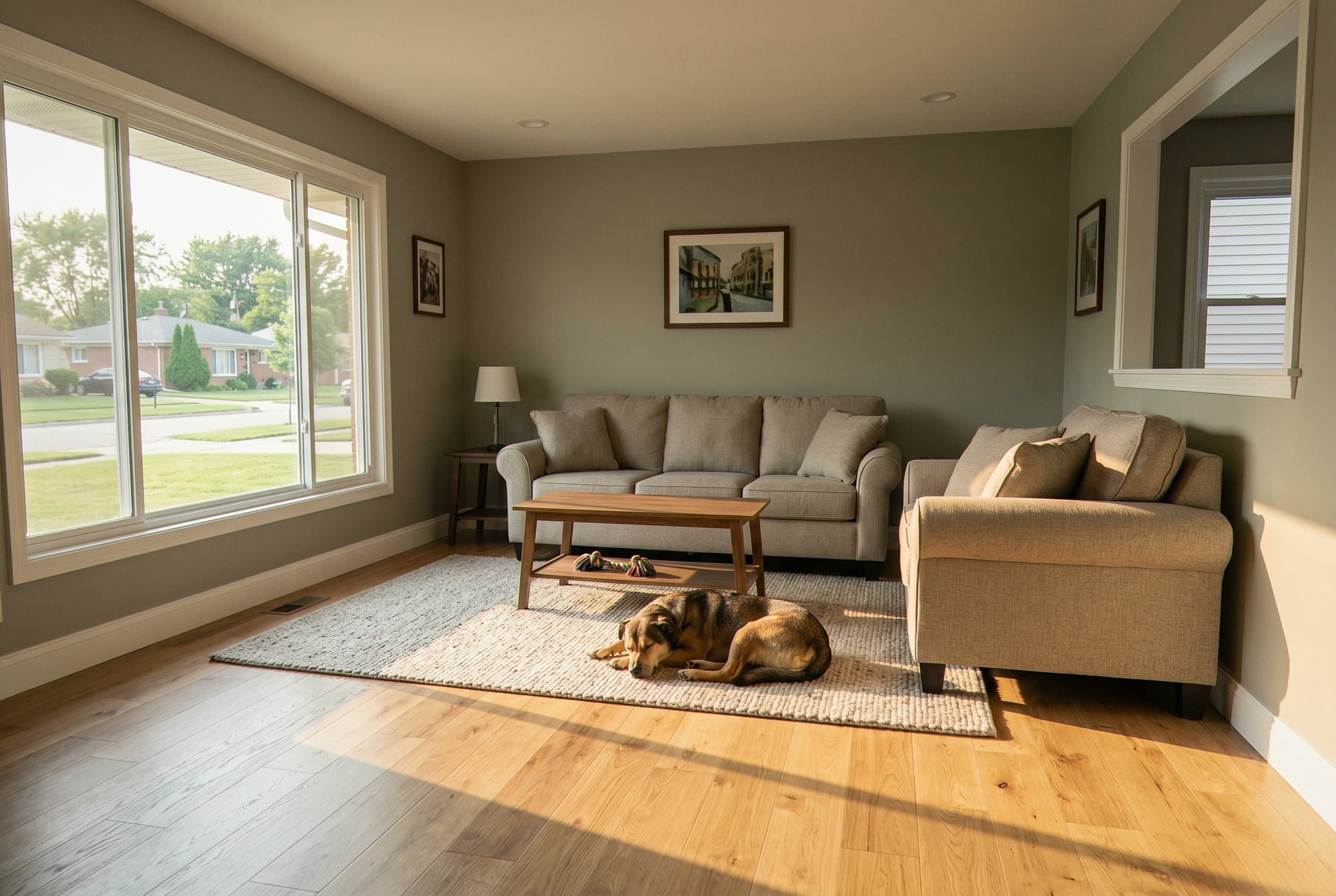
Water almost never stops at one surface. It swells the baseboards, lifts the flooring, and leaves a stain creeping across the ceiling. We pull the materials that cannot be saved and refinish the ones that can. New drywall goes up, gets taped, and is sanded smooth. Fresh trim runs the room, the flooring lays back down tight, and we blend the new paint into the walls you kept. When we hand the room back, it should read as one finished space and not a patch sitting next to old work.

  • One crew owns the whole rebuild, so the work never gets handed off halfway.
  • We match new drywall, trim, and paint to what the room already has.
  • Flooring goes back level and tight, with no soft spots under your feet.
  • We pull every wet material out before mold has a chance to take hold.
  • You get a plain plan and a real schedule before we lift a single tool.
We do not call the job done until the room looks like the water never got in.

Every repair starts with a walk through the rooms the water touched, so we can mark what stays and what goes. We write it up in plain words, lay out the order of work, and give you a real sense of how long each step takes. From there we demo, rebuild, and finish in a sequence that boxes off the dust and keeps the rest of your home livable. If your insurance is part of this, we photograph and note the work as we go, so the file matches what we actually did. You reach the same Warren crew that pulls up to your curb, from start to finish.

If a leak, a burst pipe, or a flood left your Warren home torn up, we can put it back together. Call us, tell us what happened, and we will come look and lay out the repair in plain terms. One call gets your house on the way to whole again.
Materials

The materials and tools we bring to a rebuild

A rebuild takes materials as much as labor. We bring framing lumber to sister any stud that swelled or went soft. We cut the bad section out rather than bury it behind new board. Drywall goes back at the thickness the room calls for. In a bathroom or a laundry we use the moisture resistant board made for damp rooms, because standard board in that spot is how the same repair comes back around a year later. Seams get taped, coated, and sanded until a light held flat to the wall shows nothing. Trim is milled to match the profile already running through your house, so the new baseboard does not read as a piece from a different room. Where the old profile is long gone from the shelves, we build it up from stock pieces until the eye stops catching the change.

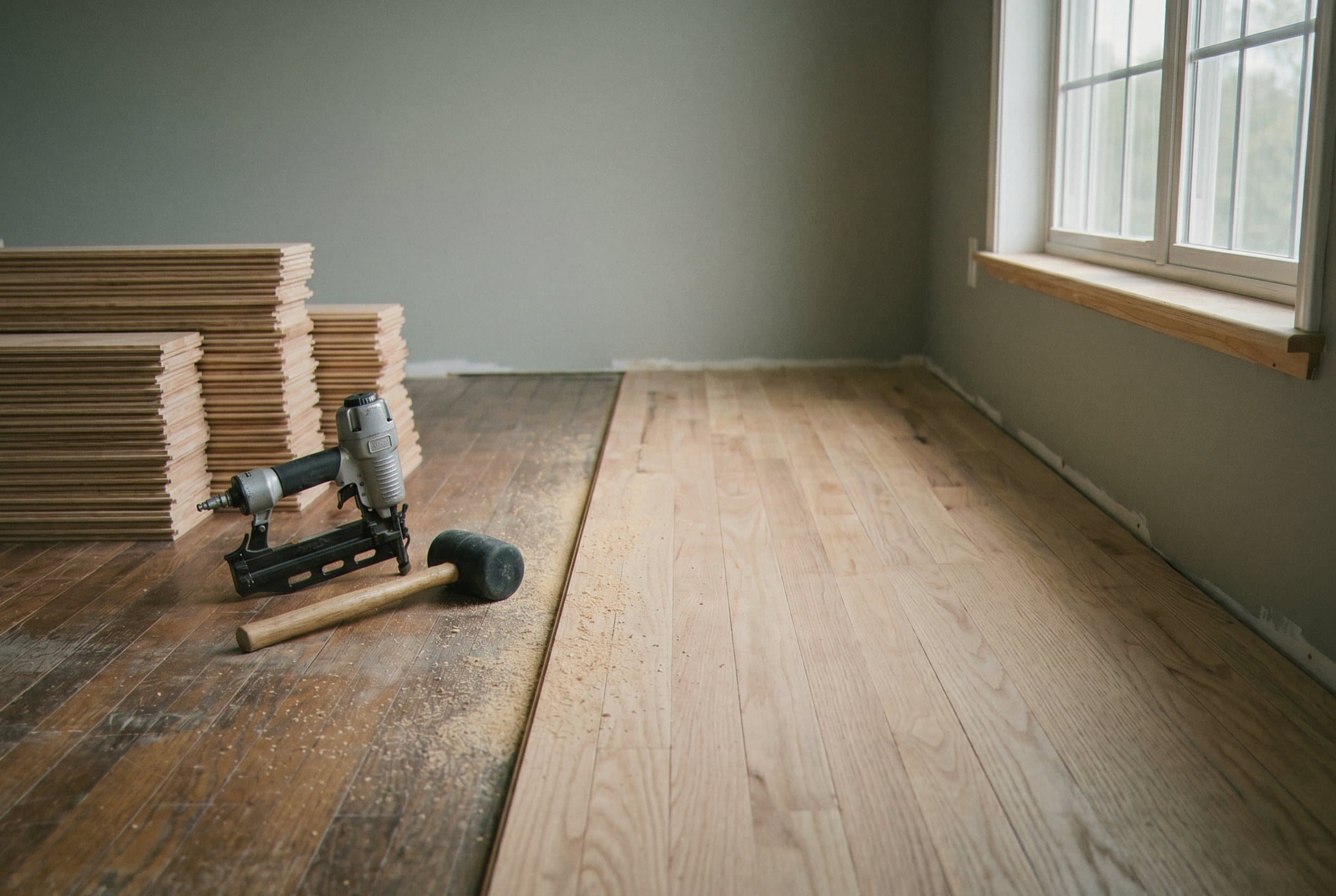
Flooring is where most owners look first, so we take our time there. Sheet vinyl and glued plank almost never come back up in one piece, so we plan on new material and bring samples to you before we order. Solid wood is a different story. If the boards cupped but the subfloor under them reads dry on a meter, sanding and refinishing often brings the floor back and saves the room from a full tear out. Engineered plank with a swollen core does not recover, and we say so instead of sanding a floor that cannot take it. Under all of it, the subfloor has to be flat, solid, and dry before anything new goes down. We fasten off the squeaks, swap any panel that soaked through, and check the plane across the room with a straight edge. Paint is the last coat and the easiest place to cheat. We prime any stain that bled through, then carry the finish out to a corner or a break in the wall so the new color lands as one surface.

  • Framing that swelled or went soft gets cut out and sistered with new lumber, never boxed in behind fresh board.
  • Bathrooms and laundry rooms get the moisture resistant drywall made for damp spaces, not the standard sheet.
  • Cupped solid wood often sands back flat once the subfloor meters dry, so the floor you have can stay.
  • Paint gets carried to a corner or a natural break, so the repaired wall never reads as a patch.
Drywall installation tools and materials setup
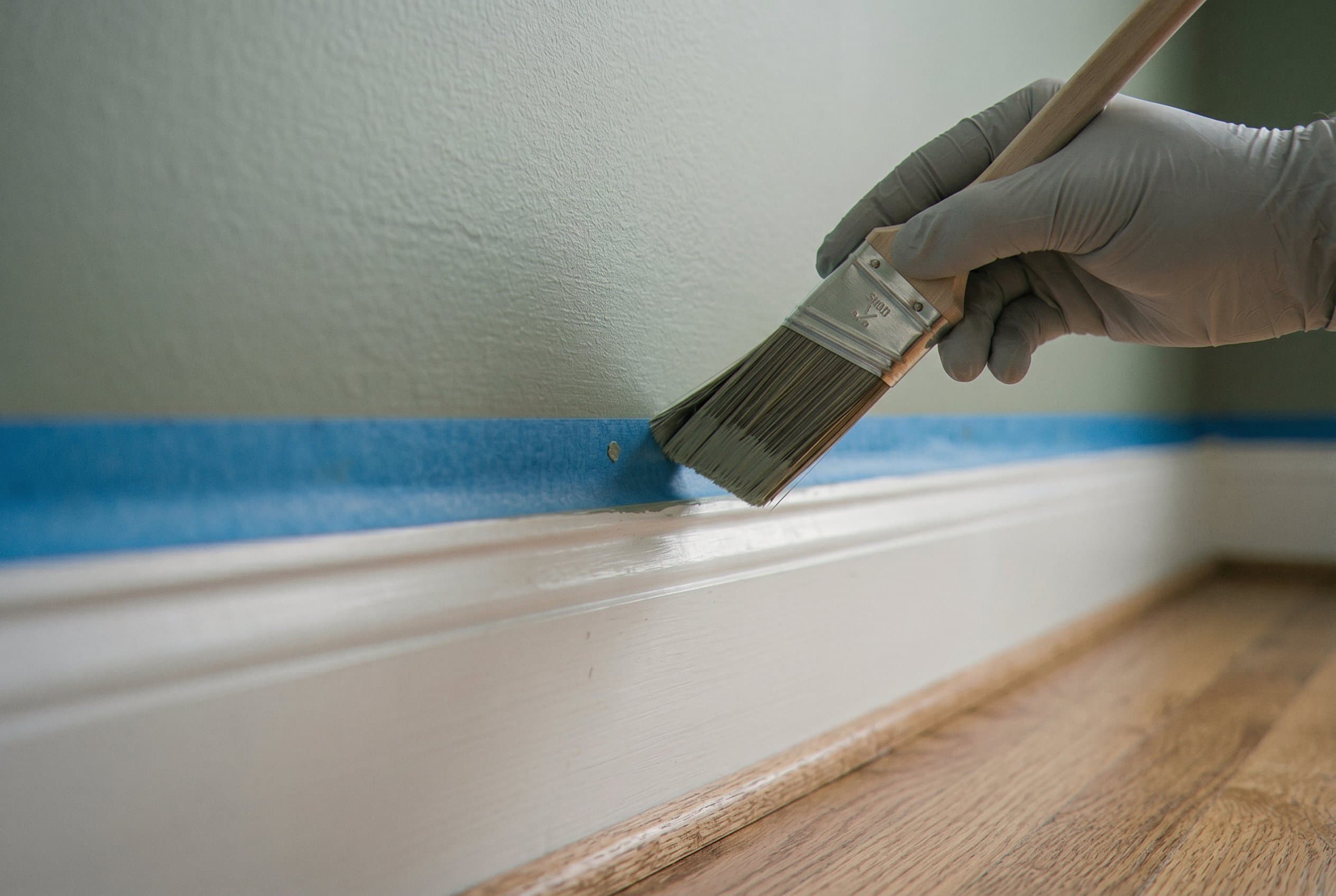
Finished room drywall trim and paint complete
What about the alternatives?

Ways people put a Warren home back together

Once the drying gear rolls out, you are left with a torn up room and a few ways to deal with it. Here is a plain read on each route, and what each one tends to leave behind in a house around here.

Have our crew handle the demo and the rebuild together

One crew opens the wall, hauls the ruined material out, frames it back to square, and finishes it. Nothing falls into the gap between two trades. Nobody argues later about who left a stud wet, because the same people who dried the room are the ones closing it up. We photograph as we go, so the record matches what sits behind the drywall.

Recommended

Use a drying company, then hire a separate remodeler

This works when the two talk. Often they do not. The rebuild crew shows up weeks later, finds framing nobody metered, and closes the wall on a guess about how dry it ever got. You end up holding both schedules together yourself and chasing the answers in between.

Acceptable

Let us frame and hang board, then do the paint and trim yourself

Reasonable if you have the time. Save your effort for the finish coats and the caulk line, where a slow pace actually pays off. Leave the flooring and the cabinet work to us, since those are the parts that show every small error from across the room.

Acceptable

Rebuild only the rooms you use and hold the rest for later

Sometimes that is the right call. We will scope the job that way without a fuss. Just close the open cavity properly instead of leaving bare studs behind a sheet of plastic for a whole season, because dust, pets, and curious kids find that room faster than you think.

Acceptable

Screw new drywall over the wet board and paint it

It hides the stain for a month. The water is still in the cavity, the insulation is still packed wet, and the smell works its way through the new paint by spring. Then the wall comes out anyway. Now there are two layers to haul instead of one.

Skip

Wait and see whether the ceiling stain dries on its own

A stain that keeps coming back means water is still arriving from somewhere above it. Waiting only gives it time. It loosens the drywall tape, rusts the fasteners, and sags the seams until a small patch turns into the whole ceiling while you watch from the couch.

Skip
How it goes

From quote to walk-on, fast.

01

Rapid Response

Our line is open 24/7, and every water call gets treated as an emergency. We take the details, tell you what to do before we arrive, and get a crew moving toward your Warren address.

02

Assess & Extract

On site we map the moisture with meters and infrared thermal imaging, so we know everywhere the water traveled — not just where it shows. Then pumps and extractors pull the standing water out, lowest points first.

03

Dry & Monitor

Air movers and dehumidifiers dry the structure itself while we log moisture readings every day. The gear stays until the wet areas return to the documented dry standard — not until the floor feels dry.

04

Repair & Restore

With the structure verified dry, we rebuild what the water ruined — drywall, trim, flooring, paint — and hand the room back to you in pre-loss condition, with the full documentation file.

Before you book

Straight answers about the rebuild

Owners ask us the same handful of things once the drying gear rolls out the door. Here is where we stand on each one.

How soon can the rebuild start?
When the framing and the subfloor read dry on a meter, not when the room feels dry to a hand. Closing a wall over damp lumber traps the trouble where nobody can see it, and that is how a repair turns into a mold job. We take readings each day and show you the numbers. The start date comes from the wall itself, not from a calendar.
Will the new work match the rest of my house?
That is the goal, and most of the time we land very close. Trim profiles, door casings, and flat wall texture are usually easy to hit. Older flooring and an odd ceiling texture are harder, and we say so up front rather than after. Where an exact match is off the table, we look for a doorway or a corner to end the new material at, so your eye reads a break instead of a mismatch.
Do I have to move out while you work?
Usually no. We seal the work area off, pull the dust out through filtration, and keep a clear path so the rest of the house still works around us. If the water hit your kitchen or the only bathroom, living there gets hard, and we will tell you that plainly instead of letting you find out on day three.
How fast can you get to my Warren home?
Call us and we come look. We work across Warren and the towns right around it, from Center Line and Sterling Heights over to Roseville and Eastpointe, so a trip out to walk your rooms is a short one. We would rather stand in the damage and read it in person than scope a rebuild off a few photos on a phone.
Can you work with my insurance?
Yes. We document the damage room by room, keep photos of what came out and what went back in, and write the scope in terms your adjuster can follow. We do not speak for your carrier and we will not tell you what they will cover. What we hand you is a clear record of the work, so the file and the house tell the same story.
What if you open a wall and find more damage?
That happens more often than not, because water travels farther than the stain on the surface shows. We stop, show you what we found, and lay out how it changes the plan before we go any further. No surprise work goes in behind the drywall without you seeing it with your own eyes first.
Aftercare

Keeping the repaired rooms dry from here

A finished room stays finished when the water that ruined it never finds a way back in. Around Warren the same short list causes most of what we rebuild. Winter freezes a line running through an outside wall or an unheated garage. Spring rain lands on ground that is already full and pushes at the foundation. Then there is the slow drip under a sink, working on the cabinet floor for months before anyone thinks to look. Once a season, walk the house. A short pass catches nearly all of it while the fix is still a small one.

  • Put a hand on the supply lines under every sink twice a year, and look for a dark ring on the cabinet floor below.
  • Drain the outside spigots before the first hard freeze.
  • Keep some heat in the garage and the crawl space wherever water lines run through cold air.
  • Get the sump pump tested ahead of the spring rains, and keep a backup power source on hand, because the storms that fill a basement are the same ones that take the lights out.
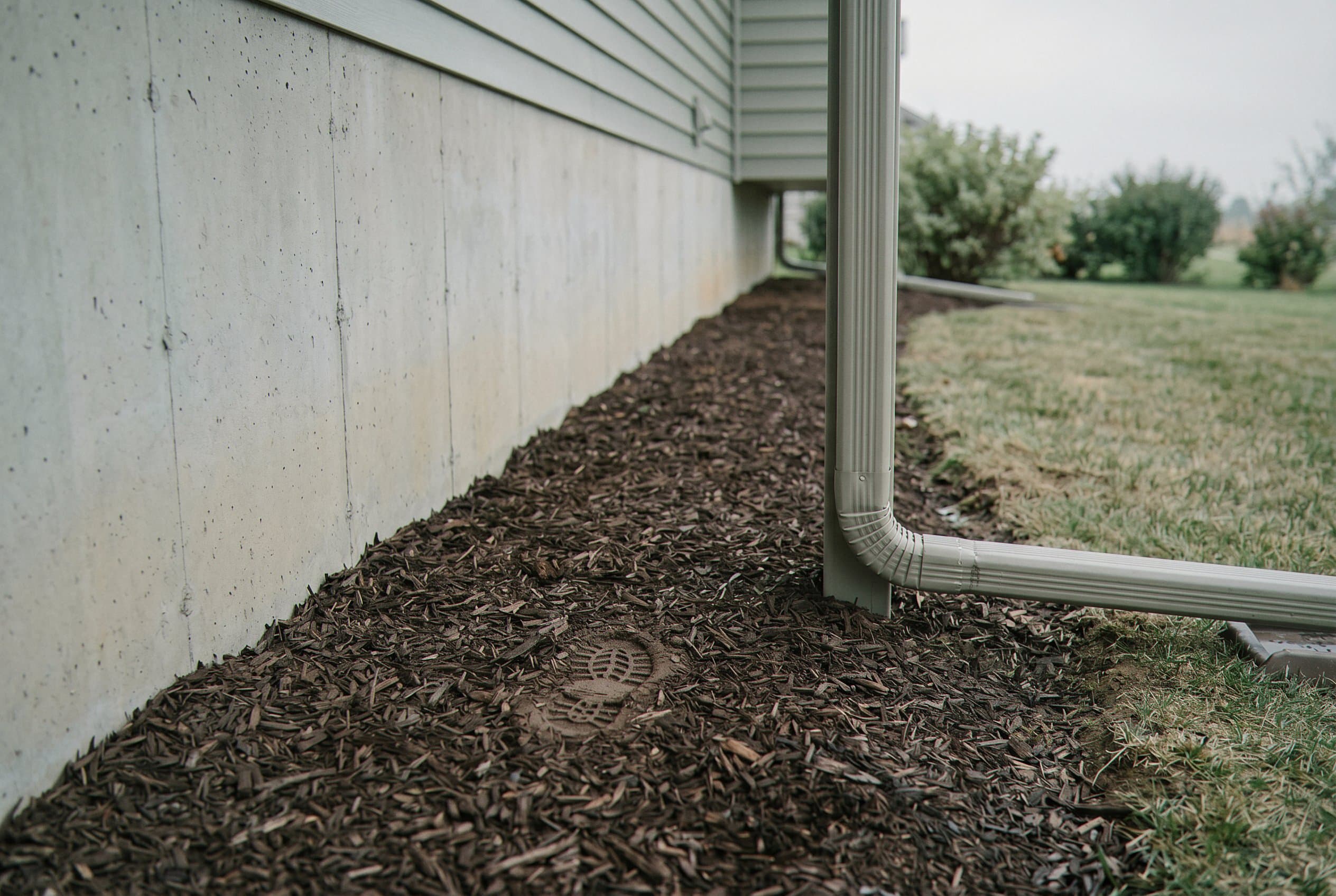
  • Clear the gutters each fall so runoff lands well out from the foundation.
  • Swap rubber washing machine hoses for braided steel, and look at the base of the water heater for rust.
Foundation exterior clean proper grading installed
FAQ

Common Questions About Water Damage Repair

How fast can you get to my Warren home?
Water damage restoration is an emergency, so we treat every call that way. Once we have your address we load the truck and roll, and most of Warren and the rest of Macomb County is a short drive for our crew. We give you a real arrival window on the phone instead of a vague promise. If the water is still running, we walk you through shutting it off while we drive.
What should I do before the crew arrives?
If you can do it safely, shut the water off at the main valve and kill power to the flooded rooms at the breaker. Move rugs, shoes, boxes, and anything light up off the wet floor. Do not run a shop vac on standing water near a live outlet. Then leave the rest to us.
Do you work with my insurance?
Yes. We document a water damage restoration loss the way adjusters expect it, with moisture readings, photos, and a written scope of what has to be done. We send that packet straight to your carrier and talk them through it if they call. You still own the claim, but you are not building the file by yourself.
Will there be mold?
Mold needs two things, moisture and time. When a structure dries out in the first day or two, growth usually never gets started. We read moisture in the walls, subfloor, and framing every day until those numbers match the dry parts of your house. If we do find growth, we seal the area off and clean it up following EPA guidance.
Is the water contaminated?
That depends on where it came from. A burst pipe or an overflowing tub starts out clean, and a slow roof leak sits somewhere in the middle. Water from a sewer backup or a storm drain is category three, so we work in protective gear with the room sealed off and the air scrubbed. We tell you which category you have before anybody starts pulling material.
Ready when you are

Let's make your next steps easier

Tell us what is going on at your Warren home and we will walk you through the options. One call or one short form is all it takes.

Call (586) 250-0785Make your inquiry
CallContact us